
Content
Jackson County rancher talks about losing his dog, Scout, to wolves – Steamboat Radio
Aug
By Shannon Lukens for Steamboat Radio/Blizzard Broadcasting. (Warning, some pictures are graphic.)
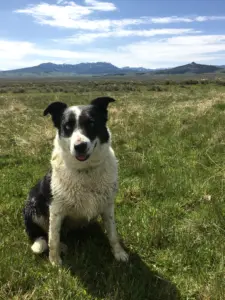
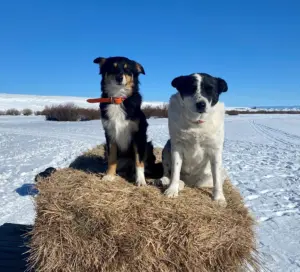
A working ranch dog named Scout was killed by a wolf, or wolves, Saturday, Feb. 7, at a ranch in Jackson County. Coy Meyring is a fifth generation rancher. He got Scout as a puppy.
“Well, Scout, she was nine, and her and Millie are the two dogs that I have here, go everywhere with you. And, I knew something was wrong Saturday morning because Scout wasn’t with Millie.”

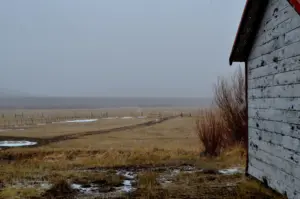
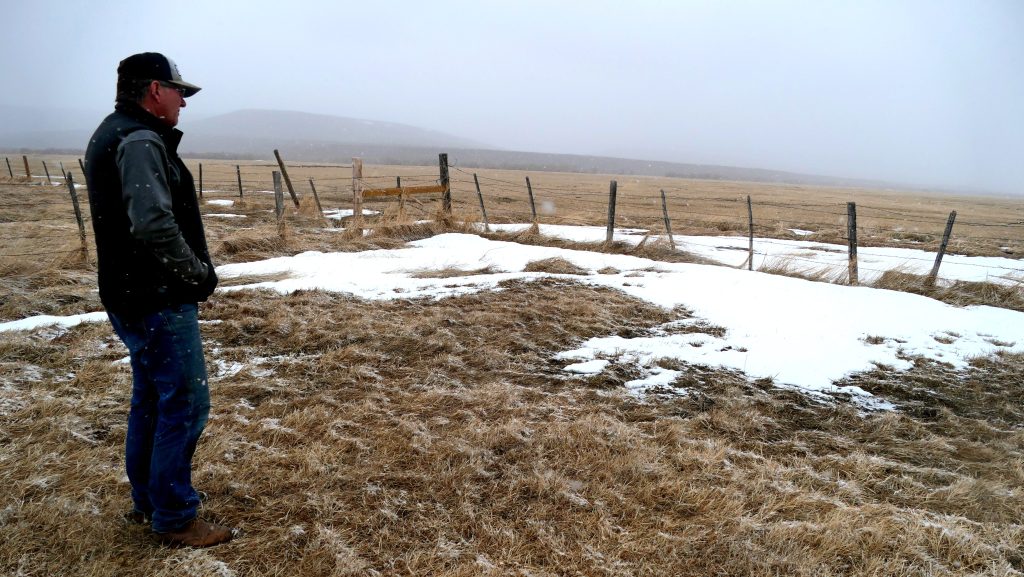
Meyring found Scout’s body along a back fence in his yard, after feeding his cattle Saturday morning. Scout was killed by a wolf or wolves, as confirmed by Colorado Parks and Wildlife Monday on the Confirmed Gray Wolf Depredation Information Page.
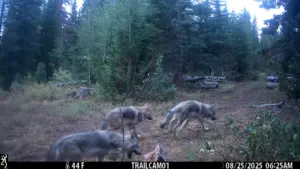
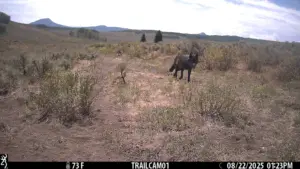
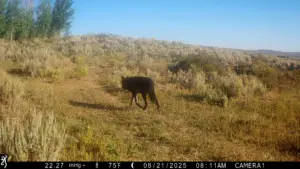
Game camera photos courtesy Coy Meyring.
Meyring’s property is home to the natal den of the One Ear Pack, which was confirmed by CPW as having four adults and at least six pups last summer. A natal den is typically a secure, reused, underground burrow or rock crevice used by a mother where she has her pups, and then shelters them from April to early summer.
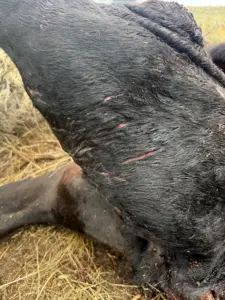
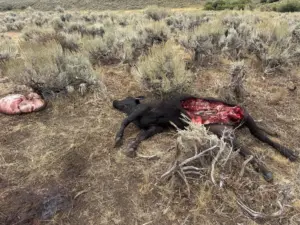
Meyring says in addition to his dog, they’ve had two yearling head of cattle killed, and two more attacked, but they were able to save those two. He also said they lost a newborn calf during calving, to the wolves, all on his Jackson County property.
We asked Colorado Parks and Wildlife about the multiple kills on the ranch. But they have been spread out over a couple of years. What Colorado Parks and Wildlife watches for is Chronic Depredation events that are caused by the same wolf or wolves, within a 30-day period. This has not happened on the Meyring property.
Here’s more from Luke Perkins, the Statewide Public Information Officer for Colorado Parks and Wildlife.
CPW has an administrative directive which defines “Chronic Depredation” and provides guidance on when lethal removal is warranted and how they will be carried out.
This directive defines “Chronic Depredation” as three or more “depredation events” caused by the same wolf, or wolves, within a 30-day period, provided there is clear and convincing evidence that at least one of the depredation events was caused by a wolf or wolves. The two additional events must also be determined by at least a preponderance of evidence to have been caused by wolves.
The key point for your question is the 30-day period.
For context a “Depredation event” refers to a 24-hour period in which the Division determines by a preponderance of the evidence that a wolf or wolves caused physical trauma resulting in injury or death to a producer’s livestock or working dogs.
When a situation meets the definition of “Chronic Depredation” CPW will then consider four factors to decide if lethal removal is appropriate:
After considering these factors CPW will decide on a case-by-case basis if carrying out lethal removal is appropriate.
When carrying out lethal removals, CPW goal is to:
CPW takes an incremental approach to lethal removals when carrying them out. For example, if an entire pack is responsible for a series of depredation events, the Division will start by trying to remove one or two wolves during an active removal period, then evaluate whether the removal efforts have achieved the goal of changing pack behavior.
As CPW has a responsibility to balance the sharing of information with the safety of the public, staff and animals — and wildlife management operations are extremely sensitive — CPW does not confirm or comment on them until they are completed.
Perkins added, “CPW has issued no Chronic Depredation Permit over the life of the wolf program.”
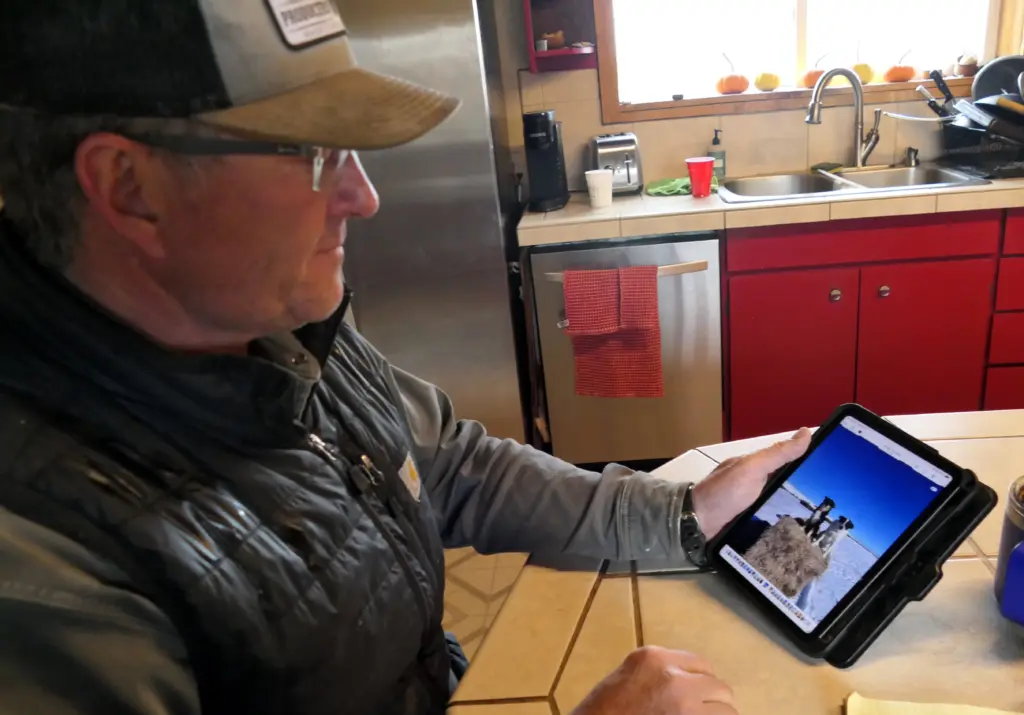
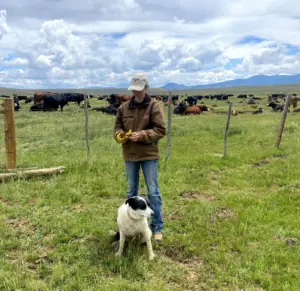
Meyring added that Scout was a part of his family. He would like people to understand the impact this has on the ranchers, the animals, and the wolves.
“We’re really defenseless here. And, it’s a hopeless feeling and it’s frustrating, and, it’s hard to understand the impact that this has on us and this operation and my family and, you know, the people that work for me. There’s a lot of fear. It’s confusing, it’s disappointing.
It’s disappointing that, you know, we’ve done this to the wolves. I really feel like that’s as big a tragedy as any of this. These, these wolves didn’t ask for this. They didn’t want this. And they’re struggling to survive, just like we are. And there’s no room for them here. Colorado is too small and they’re constantly gonna be in conflict. And a lot of bad things have already happened to them.
And so, I just wish that people could understand really the toll that this is taking on us, financially and emotionally, you know. We’ve been ranching here, my family, I’m fifth generation here. This has changed everything for us. I mean, there’ve been a lot of challenges over this last century, but this one is tough.”
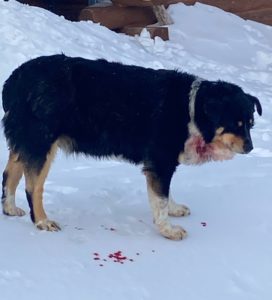

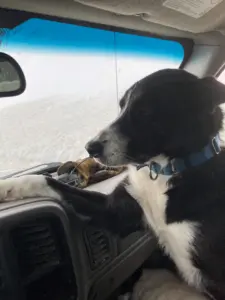
Courtesy photos of Blaze, Buster, and Cisco.
Since January of 2022, four other dogs have been killed by wolves in Jackson County, according to the CPW Wolf Depredation page. One rancher was reimbursed the full amount from Colorado Parks and Wildlife, ($15,000) for his working ranch dog that was killed by wolves in March of 2023.
Meyring says he will submit a claim with CPW for the loss of Scout.
March 15, 2023 – TWO DOGS DIE FROM WOLVES IN JACKSON COUNTY THIS WEEK
Confirmed Gray Wolf Depredation Information Page
