
Content
NC women breathe new life into male-dominated field of taxidermy – WRAL
Nov
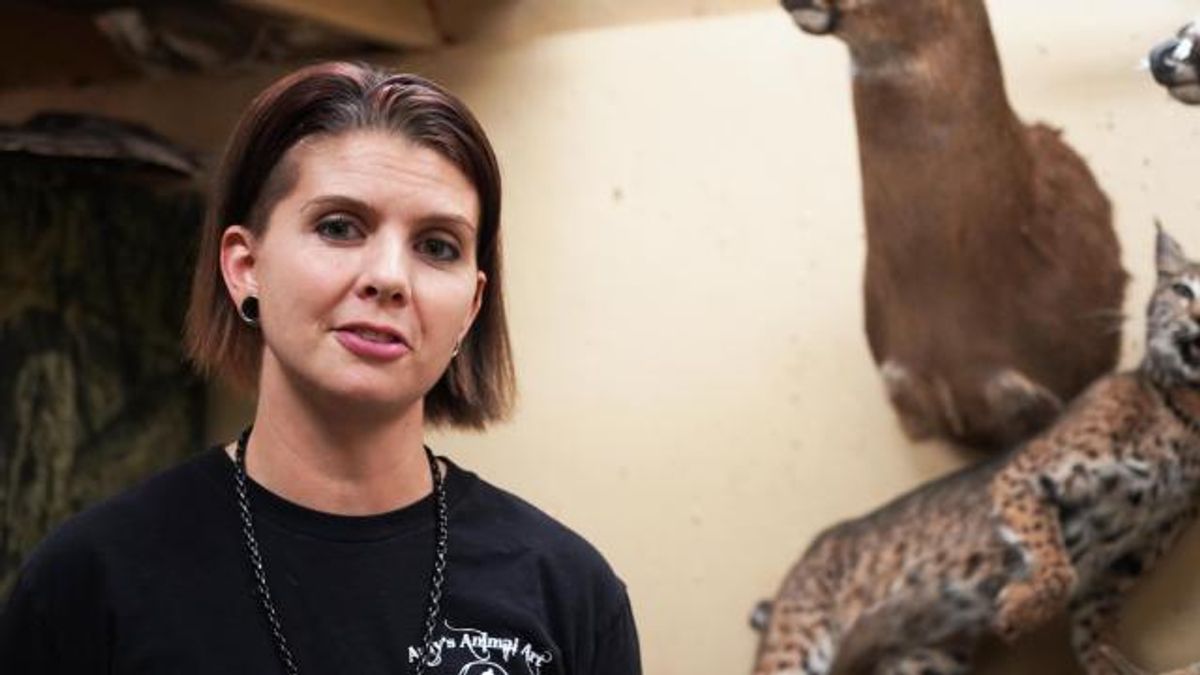
Amy Carter has had a fascination with dead animals since she was a 13-year-old growing up in western North Carolina.
“I was known for an unusual hobby,” she said.
Other WRAL Top Stories
One day, she said she found a king snake on the ground, and researched online how to turn it into a belt. Her family helped her get the chemicals, and she had her first creation.
Her mom suggest she should try taxidermy. Carter said she had no idea there was a community of people just like her who had a passion for preserving animals.
She reached out to taxidermists online for help. The group of men thought it was a bit strange a 13-year-old was asking about stuffing dead animals, but they were impressed with her skills.
“They took me under their wing, gave me supplies, gave me dead animals to practice on,” she said.
She practiced on anything she could get her hands on, even roadkill. Only a couple years later, she won an award at her first taxidermy competition, with a red squirrel curled up asleep on a bed of leaves.
When people think of a taxidermist in rural North Carolina, they may think of an older man, wearing camo, with a beard or mustache. But Carter couldn’t be further from that. She’s a spunky, single mother, with short red hair, tattoos on her arms and gauges in her ears.
Sabra Cahoon, president of the North Carolina Taxidermy Association, is a part of the movement of women entering into taxidermy. A membership group made of mostly men nominated Cahoon as their leader.
“Our association, whether you’re a man or a woman, is very driven to help each other,” she said.
In the state’s competitions, she is seeing many more women submit pieces. Entries are anonymous, which eliminates any chance of gender bias.
“They don’t judge you based on who you are,” Cahoon said.
Many women across the state are well respected in the competitions, and Cahoon says each year they are coming back better and stronger. The women are paying close attention to what the judges say during the competitions, and making noticeable adjustments to their pieces.
Like Carter, Cahoon started taxidermy when she was young. Her grandfather and father were both taxidermist and trained her and her sister in the craft.
Her father didn’t care that there weren’t many women in the taxidermy field at that time.
“He taught us how to win and how to lose,” she said.
“There’s dozens of girls that are interested, either getting started or well-established,” Carter said.
Carter believes that her success is inspiring other young women to try something new.
“In this day and age, women can do anything men can,” she said. “It’s not as much a secret.”
Many local zoos gift Carter dead animals, instead of just throwing them away. She’s been given anything from bobcats to kangaroos.
Carter takes incredible care when creating a mount and her pieces look eerily lifelike. Each year, she ventures to Africa, where she teaches locals about how to preserve animals. That’s where she was able to create a taxidermy giraffe and zebra.
Plenty of women have joined Carter’s local taxidermy classes, where she provides room, board and supplies to help them create a piece. Women from all over the country— Texas, Alaska and Massachusetts — come to learn from one of the best.
