
Content
Fur merchant revives retail business, battles activists – Capital Press
Oct
Published 8:30 am Thursday, October 29, 2026
By Mateusz Perkowski
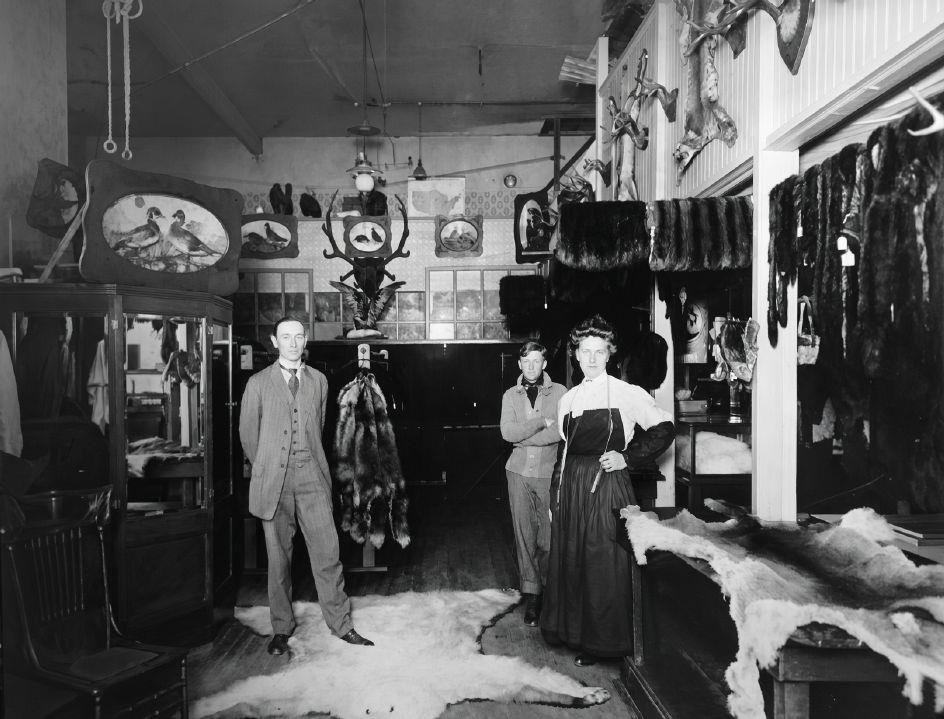
Nearly two decades after shutting down his shop in Portland, Ore., fur merchant Gregg Schumacher is stepping back into the retail business.
The new iteration of Schumacher Furs has returned in a slightly different form, focusing on home decor rather than apparel, and offering products for sale online at SchumacherFurs.com instead of a bricks-and-mortar location.
But the company’s return to retail underscores the resilience of fur — both in terms of consumer demand and the material’s physical durability, said Schumacher.
“Fur is back, there’s no question about it. Especially the younger generation, they’re buying fur like crazy,” he said. “People want the product. I don’t think people ever stopped wanting fur.”
Though wearing fur did experience a dip in popularity, Schumacher said that consumers never truly developed an aversion to the material.
Rather than actually persuade people, animal rights activists basically badgered some into foregoing fur, but the effect has proven temporary, he said.
“What they do is they harass you and intimidate you to the point where you might resist using it because of fear,” Schumacher said.
As a fur seller, Schumacher said he’s come to understand the tactics of animal rights activists on a highly personal level.
After activists staged protests at his family’s century-old fur shop in Portland roughly 20 years ago, he shut down the retail location and filed lawsuits over the closure against prominent animal rights groups and the city government.
Those cases were ultimately dismissed, but Schumacher went on to start his own non-profit groups aimed at defending businesses such as his own: Stop Animal Rights Extremists, SARE Solutions and Restore Law and Order.
Schumacher said the battle with activists has implications for the entire animal agriculture industry, which he believes must actively counter the movement’s strategies if farmers want to avoid being mischaracterized in the popular imagination.
“Every one of your people that are in the agricultural industry need to wake up and pay attention to the animal rights movement because they want to take your livelihood away. They want to take your farms away,” he said.
The upside is that consumers have grown more sophisticated about activist tactics and are more receptive to messages from the agriculture industry, Schumacher said. In part, that’s because they are more resistant to strategies that seem coercive.
“People do not want to be told what to wear. They don’t want to be told that you can’t wear leather, you can’t wear wool, you can’t wear fur. They don’t want to be told that you can’t eat a steak,” he said.
Schumacher said that Portland’s highly-publicized problems with recovering foot traffic after the pandemic have vindicated his conviction that the city is overly tolerant of lawlessness.
While the city has encountered violence and property damage from several different protest movements over the years, its response is to do “the same thing over and over again,” he said.
“There’s no law enforcement. That’s why Portland is ruined. Do people not get this?” Schumacher said. “The government has not enforced laws and allowed these radical groups to take over. And that is because our government officials are allowing this to happen.”
If Javascript is disabled browser, to place orders please visit the page where I sell my photos, powered by Fotomoto.
