
Content
Why are there wolves in South Africa? The story of their presence – SAPeople
Oct
Copyright Blue Sky Publications Ltd. All Rights Reserved.
SAPeople.com is a division of Blue Sky Publications Ltd. Reproduction without permission prohibited
Home »
Wolves in South Africa have a surprising history. Discover where they came from, why they live here, and whether they belong.
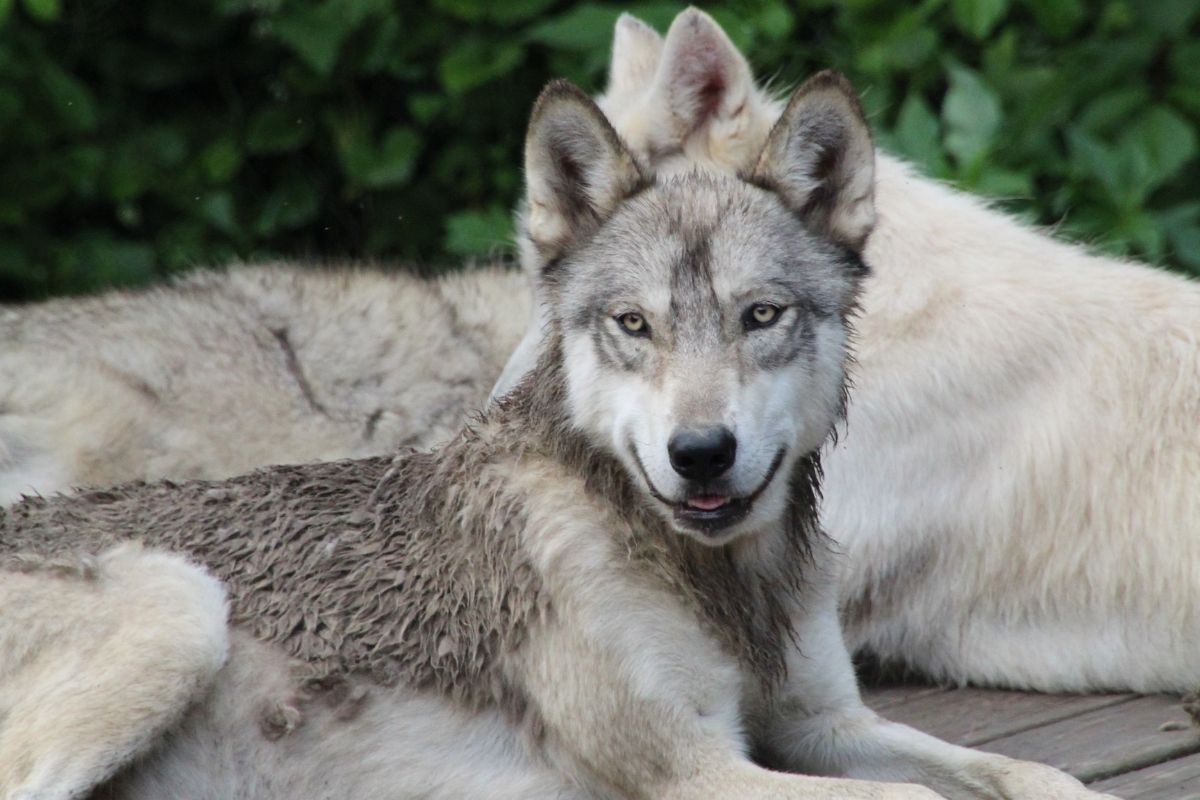
Few people know that there are actually Wolves in South Africa.
Their mere presence might sound like a wildlife myth, but there are hundreds of these animals, although grey wolves never roamed wild in southern Africa.
Their presence stems from an apartheid-era military experiment and a continuing exotic pet trade. Some owners eventually discover that these powerful animals make unsuitable household companions.
So, where did South Africa’s wolves originate, where can you find them, and should they be here?
According to Stellenbosch University historian Louise Green’s research into apartheid’s wolves, South Africa imported grey wolves from North America during the 1970s and 1980s. The military and police hoped to breed wolf-dog hybrids with dogs’ trainability and wolves’ stamina.
However, the experiment failed because the hybrids proved difficult to train.
A 2005 report in the South China Morning Post describes the original project and its abandoned animals. After the programme ended, some wolves entered private ownership. Breeders eventually supplied buyers seeking exotic pets.
Today, social media helps sellers advertise wolf pups and wolf-dog crosses. Some buyers struggle with their animals’ behaviour, space requirements and feeding costs.
Sanctuaries then face the challenge of providing lifelong care.
Four established sanctuaries care for wolves and wolf-dogs: Tsitsikamma Wolf Sanctuary operates near Storms River in the Eastern Cape. Garden Route Wolf Sanctuary operates near Harkerville, while HuskyRomi Rescue and Wolf Sanctuary operates near Reitz in the Free State. All Hearts Wolf and Animal Foundation cares for wolves near Hartbeespoort.
These facilities differ in their visitor policies and approaches to animal interaction. Tsitsikamma offers guided visits without allowing visitors to touch the wolves. Anyone planning a visit should check each sanctuary’s current rules.
Many animals sold as wolves are actually hybrids with breeds such as German shepherds, Labradors or pitbulls. Breeders sometimes advertise animals according to their supposed wolf content. Appearance alone cannot reliably establish ancestry.
Grey wolves belong naturally to North America, Europe and parts of Asia, not southern Africa.
South Africa’s indigenous wildlife includes different canids, such as African golden wolves. The Ethiopian wolf also occurs in Africa, while the African wild dog belongs to a separate species.
Wolves need secure enclosures, considerable space, specialised care and regular meat-based diets. Their instincts can make them difficult to manage around children and smaller pets. Owners also face substantial long-term expenses.
South Africa’s laws governing exotic animals vary between provinces. For example, the Free State government requires captivity permits for wolves. The NSPCA’s ethical wildlife tourism guidance also explains why responsible sanctuaries should prevent forced animal interactions.
South Africa’s wolves cannot simply return to the wild.
They lack a natural place in local ecosystems, and captive animals need appropriate lifelong care.
The best way to help is to support responsible sanctuaries, and if you want a canine companion, choose a domestic dog instead.
‘SA People’ is hiring! Freelance writer positions available. Send us your CV
Blue Flag status offers clues about beach safety, water quality and facilities. Find out why it matters when booking your December holiday.
Cheaper fuel in South Africa’s neighbours usually raises many questions. Discover why motorists pay different prices.
That R3,500 car instalment could actually cost you R7,200 a month. Here’s what first-time car buyers in South Africa should budget for.
Some SASSA beneficiaries will face a 33-day gap between their November and December grant payments. Here’s what the revised dates mean for households.
Kimberley and Mahikeng share the top spot at 35°C, Polokwane enjoys the only clear skies, and SAWS has no active warnings in place.
Whether you’re queuing for coffee in London or braving a Toronto winter, checking these Daily Lotto results keeps a little piece of Mzansi close, and maybe funds that long-awaited flight home. Estimated jackpot: R 420 000.
Our offices are for administrative purposes only, no visitors will be accepted without an appointment.
South Africa – Blue Sky Publications (Pty) Ltd – Registration Number: 2005/028472/07 – Address: Regus Business Centre, 1st Floor, Block B, North Park, Black River Park, 2 Fir Street, Observatory, Cape Town, 7925, South Africa
United Kingdom – Blue Sky Publications Ltd – Registration Number: 04683692 – Address: C/O Sable Accounting Ltd, 5th Floor, 18 St. Swithin’s Lane, London, England, EC4N 8AD
Copyright Blue Sky Publications Ltd. All Rights Reserved.
