
Content
Taobao fashion label CHICYOU pulls cat fur collar after online backlash in China – The Online Citizen
Oct
Chinese online womenswear brand CHICYOU has withdrawn a fur collar listed as 100% tabby cat fur and apologised. It blamed a supplier and an unreviewed product page. The case has renewed scrutiny of China’s loosely regulated fur trade.
CHICYOU, a womenswear brand on the Chinese e-commerce platform Taobao with more than two million followers, has withdrawn a fur collar after shoppers found its product page described the item as made from cat fur.
The brand issued a public apology on the evening of 10 October 2026. It said its partner factory had used cat fur against its sourcing standards, and that it had removed the listing and suspended production and sales.
The episode has prompted calls for a boycott from cat lovers and animal welfare supporters. It has also drawn attention to long-standing grey areas in China’s fur trade, extending as far as the hair used in makeup brushes.
According to a report by Jimu News, the controversy began on 10 October, when social media users posted that a new CHICYOU fur collar appeared to be a cat fur product.
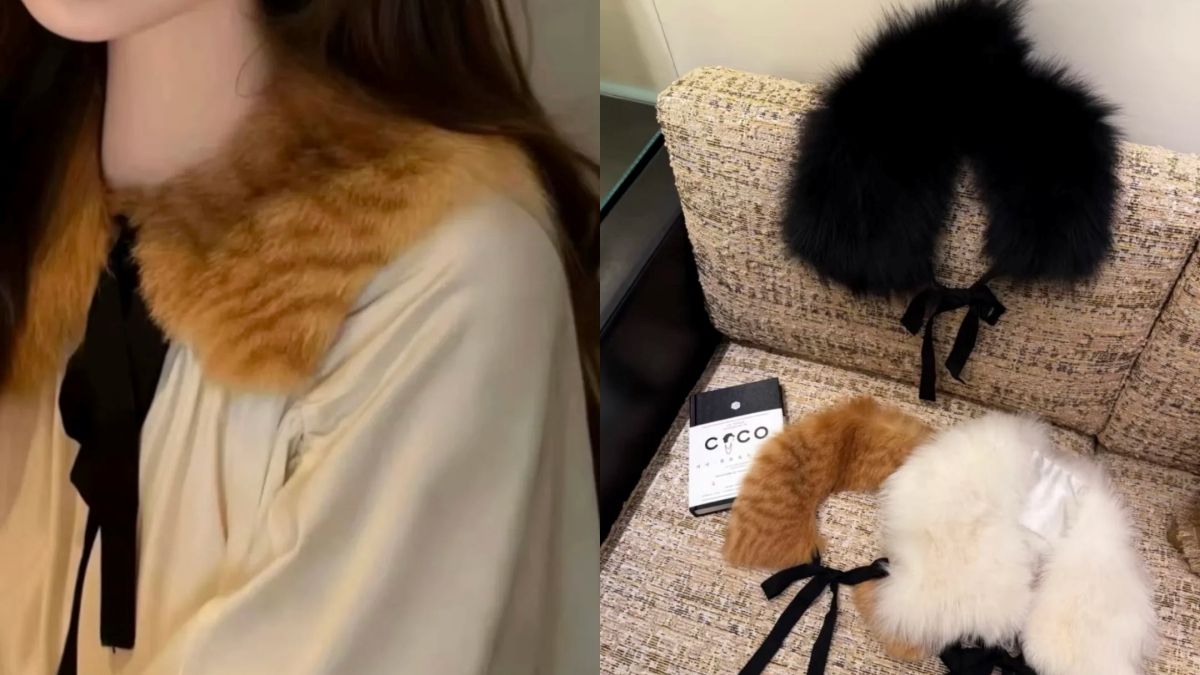
The product page offered the collar in three colours. The white and black versions were listed as 100% fox fur.
The brown version was listed as 100% li hua cat fur, a common Chinese tabby breed.
The product description stated that the brown collar was made using fur from the backs of li hua cats. Screenshots of the page spread rapidly across social media platforms, Taiwanese broadcaster FTV reported.
ETtoday reported that users also pointed out that the store sells products described as 100% genuine rabbit fur.
In its apology, CHICYOU said the collar had been custom-made by a partner factory. It said it had never requested or tacitly permitted the use of cat fur.
The brand said the product was scheduled to go on sale at 10pm on 11 October 2026. It said only a pre-sale display page had been created while the launch was being prepared.
According to the statement, the brand received results from a testing agency on the morning of 10 October. The black and white collars were confirmed as fox fur, but the brown sample was identified as cat fur.
The brand said this did not meet its procurement standard, which specified fox fur.
It said staff preparing product information had uploaded material and production text before the brand’s final review. That text came from an irregular source, the brand said, and it was this content that appeared in the circulating screenshots.
CHICYOU said it removed the listing as soon as it learned of the problem. It said it had suspended production and sales of the item, and had made a donation to stray-animal rescue organisations.
The brand also pledged continued support for animal rescue work. When contacted by Jimu News, a customer service representative said the brand firmly opposed cat fur products and forwarded the apology statement.
Records on the corporate database Tianyancha show the company behind the brand is Yueyang Ruhua E-commerce Co Ltd, whose legal representative is surnamed Zhang. Jimu News said calls to the company went unanswered before publication.
FTV and ETtoday reported that the brand has not explained what will happen to collars already produced. Some users have asked whether the items could be relabelled and sold through other channels.
Some online users have also rejected the brand’s account. One user, who said she had worked in online clothing retail, told ETtoday that products must pass several rounds of review before being listed.
She said listing the cat fur collar was “definitely not an oversight”. She suggested the material must have been confirmed more than once before the page went live, and questioned what the brand’s motive had been.
According to ETtoday, Chinese media reported cases of suspected cat fur clothing on sale in 2018 and 2022.
Social media users have also occasionally posted about seeing suspected cat fur vests in physical shops.
However, several fur traders said cat fur is not a mainstream material. One industry worker said they had never handled or used it, and did not understand why a factory would choose it.
The worker noted that alternatives such as rabbit fur and faux fur are likely to be cheaper and easier to obtain.
Li Xinxin, an engineer at Guangdong Guangfang Testing Technology, said her laboratory had never received a request to test cat fur. She said the furs most commonly identified were rabbit, wool, fox, raccoon dog and mink.
Industry analysts said individual cat pelts are small and inconsistent in colour. They added that cat fur offers no particular advantage in warmth or durability, and that supply is unreliable, making it an uneconomical choice for fur production.
China currently has no law that specifically bans the sale of cat fur products.
Hao Dahai, a lawyer at Shanghai Huawan Law Firm, told ETtoday that simply selling cat fur products may not be illegal under current rules. He added that this does not mean the sourcing, slaughter and transport of the animals was lawful.
Under China’s Measures for the Administration of Animal Quarantine, animals and animal products must be declared for quarantine when slaughtered, sold or transported.
However, China has no unified national quarantine standard for slaughtering cats and dogs. This makes it difficult for some localities to issue certificates and complicates oversight of supply chains.
Lin Xiaoming, a partner at Sichuan Yishang Law Firm, told Jimu News that cat and dog pelts count as animal-derived products under the Animal Epidemic Prevention Law.
Lin said processing, distributing and selling such pelts requires quarantine declaration. Agricultural authorities may impose fines based on the value of goods that have not been through quarantine.
Lin added that if fur came from stolen and killed pets, the conduct could amount to theft once legal thresholds are met. Knowingly buying, processing or selling such fur could constitute concealing the proceeds of crime.
Jimu News found that several major Chinese e-commerce platforms ban cat and dog fur under their own self-regulatory rules.
Penalties typically include removing listings and deducting store points. More serious cases can lead to frozen payments and contractual penalties.
Lin said platforms classify these products as prohibited on grounds of public order and good morals. Violations can lead to deposit deductions or store closure. He said sellers must respect both the law and public sentiment.
As the controversy spread, some users began examining the materials used in makeup brushes. They focused on brushes made with an animal hair marketed as “yu mao”, or “jade hair”.
Some users cited material descriptions on the website of Japanese brush maker Hakuhodo. They questioned whether certain brushes advertised as using yu mao might in fact contain cat hair.
FTV reported user claims that, besides common materials such as squirrel and goat hair, some brands promoting soft, fluffy yu mao brushes may be using cat hair.
Several retailers named online have denied using such materials. One customer service representative said yu mao may come from wild felines such as lynxes, rather than domestic cats.
These claims have not been verified, and the name yu mao alone does not establish that a product contains domestic cat hair. According to ETtoday, Hakuhodo had not responded to enquiries.
Although CHICYOU’s withdrawal and apology have contained the immediate controversy, questions over the sourcing and supply-chain oversight of cat fur remain. Users are also still asking whether other clothing and cosmetic tools contain such materials, and calls for boycotts continue.
The Online Citizen is an independent news and commentary platform focused on public interest reporting, civic discourse, and accountability. We publish original reporting, analysis, and explainers on issues that matter.
© 2026 The Online Citizen. All Rights Reserved.
