
Content
Trappers reap rewards at recent fur sale – Main Street Media of Tennessee
Aug
Monday, August 10, 2026
COLUMBIA
WEATHER
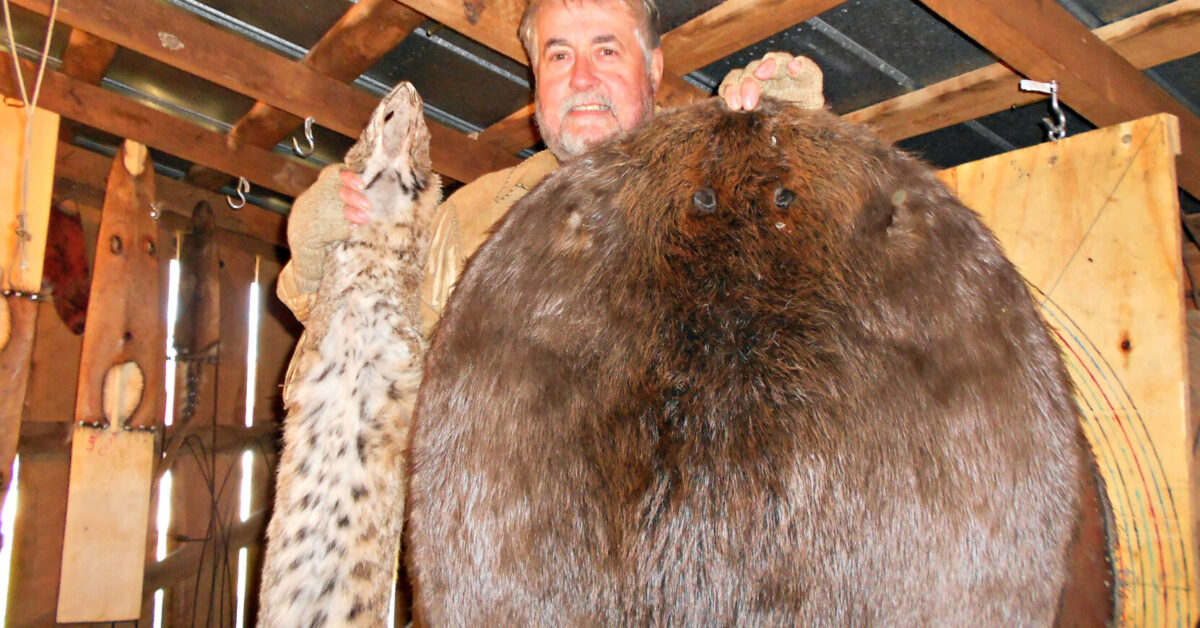
Clarence Dies prepares some pelts for sale.LARRY WOODY/Wilson Post
The Tennessee Fur Harvesters Association held its annual fur sale in Crossville on March 13, with trappers from across the state bringing in their pelts to reap the rewards of a hard winter’s work.
“We had 34 tables, and the price of fur was about average for the past few years,” says Lebanon’s Clarence Dies, a long-time trapper who along with wife Laura is an official with the Association.
The price of fur fluctuates greatly, starting with the condition and size of the pelt. Furriers look for additional characteristics that can affect the value – a bobcat pelt, for example, is worth more if it contains a lot of white coloration. A prime bobcat pelt last week sold for around $40, with the average bringing $23.21.
Other price averages included possum at 43 cents, muskrat at $2.31, coon at $1.80, mink at $3.33, skunk at $4.39, beaver at $7.59, red fox at $10.08. gray fox at $13.84 and coyote at $13.84. One semi-rare pale coyote pelt brought $60.
The decline in otter prices was the most drastic. Several years ago, a prime pelt could bring as much as $175. Last week’s average otter price was $14.52.
Another interesting item was a beaver castor that sold for $75 a pound. The castor is extracted from the glands of beavers and used as a scent lure for future trapping.
Fur trappers have to compete with commercial fur farms and fashion trends that more and more use faux fur or no fur.
Much of the fur trapped in the U.S. is exported to foreign markets, particularly China.
It is estimated there are about 2,000 semi-professional trappers in Tennessee who earn upwards of $10,000 in a good season. Thousands of others trap on a much smaller scale.
Trapping is hard, demanding work setting traps – often in freezing water – running the trapline and skinning and preparing the pelts. It takes a skilled trapper about two hours to skin, scrap and stretch a beaver pelt, plus the time invested in running the trapline and taking the pelts to market. After all that, a prime, good-sized beaver pelt brings around $10.
“Obviously, not many trappers do it just for the money,” Dies said.
Yet trapping endures, from the 17th centry into the space age. In fact, it has made a comeback in recent years despite the low profit.
A different type of professional trapping has started thriving – removing nuisance animals from homes and neighborhoods.
To avoid injuring pets in residential areas, nuisance animals are caught in live traps, which adds to the challenge catching them.
Whether it’s done for the pelts or to remove nuisance animals, there remains a call for trappers and their craft.
Loading Comments
August 7, 2026
Main Street Maury followed in real time, and has now published, the unofficial results of Thursday night’s elections. The following voting data was obtained from the Maury County Election Commission and various news and state-government…
August 5, 2026
July 29, 2026
Enter your e-mail address below to join our mailing list and receive our weekly newsletter directly in your inbox!
Our Hometown DMCA Notices
Newspaper website content management software and services
