
Content
Sealing industry faces more uncertainty as Etsy moves to ban fur sales – Nunavut News
Jul
Published 3:09 am Friday, June 5, 2026
By Jill Westerman Northern News Services
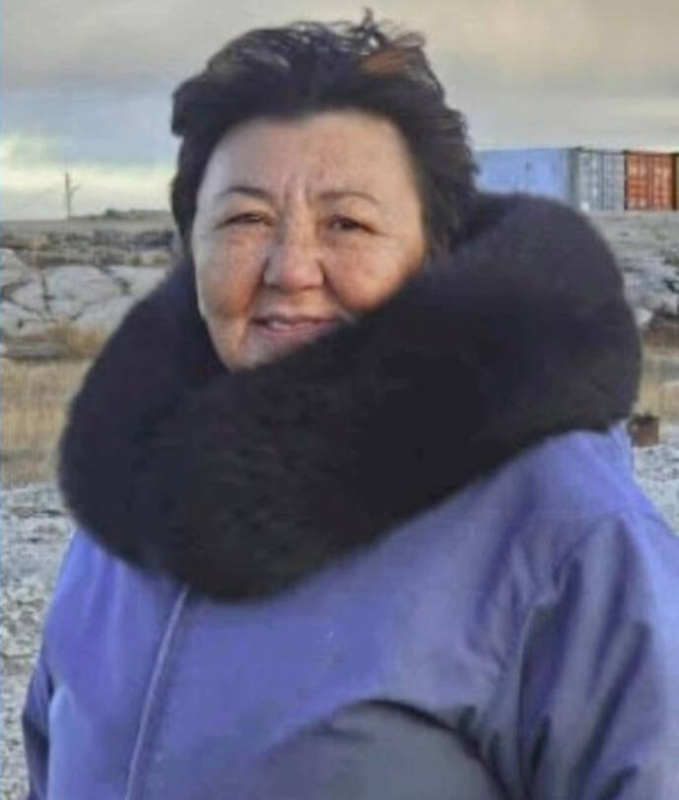
Aivilik MLA Hannah Angootealuk is expressing concern over global online retailer Etsy’s decision to stop selling fur products, including those made of sealskin and fox fur, which could affect Inuit artisans. Photo courtesy of Hannah Angootealuk
Community Services Minister Craig Simailak confirmed the first sealing symposium is planned for February 2027. Image courtesy of the legislative assembly
Arts online retailer Etsy’s
decision to prohibit the sale of fur products, including sealskin, is raising concern among Nunavut legislators who say the move could affect Inuit artisans and seamstresses.
The issue was raised in the legislative assembly on May 28 by
Aivilik MLA Hannah Angootealuk, who said Etsy announced a new animal products policy on April 2 that will ban the sale of fur products later this year.
“Etsy is a global online market where independent sellers and small businesses have listed products for sale over the past two decades,”
Angootealuk said. “A number of Inuit have been selling their handmade products with sealskin and fox fur on the Etsy market for years.”
She said the platform has provided an important source of income for Inuit artisans, particularly seamstresses who sell sealskin garments and handcrafted items to buyers outside the territory. The digital retailer’s policy change reflects a broader trend of companies removing natural fur from commercial platforms and product lines, she added.
She also referenced National Seal Products Day, observed May 20, and noted that the territorial government had recently announced plans for Nunavut’s first sealing symposium, scheduled for February 2027.
Angootealuk pointed to developments in other jurisdictions, including Yukon, where the government unanimously passed a motion on April 22 calling on its Minister of Economic Development, Tourism and Culture to write to Etsy urging it to reconsider the fur ban.
She asked Community Services Minister Craig Simailak whether the Government of Nunavut would take a similar position or formally engage with Etsy regarding the impact on Inuit producers.
Simailak called the decision “unfortunate” and said the issue had not previously been on his radar.
“It is not something I like to hear,” he said. “I must say it was news to me. I am not familiar with Etsy.”
He said the GN is examining alternative ways to help Inuit-made products reach wider markets, including digital and online platforms.
“We are looking at other avenues for how we can perhaps get Inuit-made products — in other words, seal or caribou — out into the market through various online platforms,” he said.
Simailak added that he had previously raised the importance of strengthening the online presence of Nunavut Development Corporation subsidiaries to support Inuit producers and expand market access beyond local and regional sales.
“So that Inuit in Nunavut can find a way to help sell their goods, not only in their community, not only in their region or territory, but Canada-wide and, if regulations allow, internationally,” he said.
Economic impact
Angootealuk followed up by asking whether the upcoming Nunavut Sealing Symposium will include discussion on the economic impacts of fur bans and the broader challenges facing Inuit artisans.
Simailak confirmed that the issue would be part of the discussions at the 2027 gathering.
“I might say fur is ‘green’; it’s renewable, it’s sustainable, it’s good. We all see it. I’m wearing one myself, my sealskin vest today,” he said.
Sealing remains deeply rooted in Inuit culture and continues to support both subsistence and economic activity in communities across Nunavut, the minister added.
“We all know seamstresses back home in our communities that do wonderful work,” he said. “They put together very beautiful clothing or knickknacks. I have even seen Christmas ornaments made of sealskin pelts, things like that.”
Simailak also reiterated that sealing is often misunderstood outside Nunavut, despite being a regulated and sustainable practice.
“Sealing is not simply an activity in Nunavut, it is a part of who we are,” he said, adding that Inuit have relied on seals for generations for food, clothing, tools and trade.
He described seal meat as an important source of nutrition and food security, and said sealing supports local economies while reinforcing traditional ways of life.
“National Seal Products Day provides an important opportunity to share the truth about sealing, to support our harvesters and communities and to ensure Inuit voices are heard clearly and respectfully,” he said.
The first Nunavut Sealing Symposium’s theme will be ‘Past, Present, Future: Building the Seal Economy from Harvest to Market.’
Simailak said the symposium will bring together harvesters, Elders, youth, seamstresses, artists, designers, industry leaders and partners from Nunavut and across Canada to discuss opportunities and challenges in the sealing sector.
“The symposium will create opportunities to share knowledge, promote innovation, explore market opportunities, and strengthen collaboration across the sealing sector, while ensuring Inuit knowledge and perspectives remain at the centre of this work,” he said.
Simailak said the department will continue consultations with communities, harvesters and stakeholders in the lead-up to the event to help shape its agenda and priorities.
“The future of sealing in Nunavut is strong.”
