
Content
Dogs banned on Wickaninnish Beach amid increased wolf activity – Times Colonist
Sep
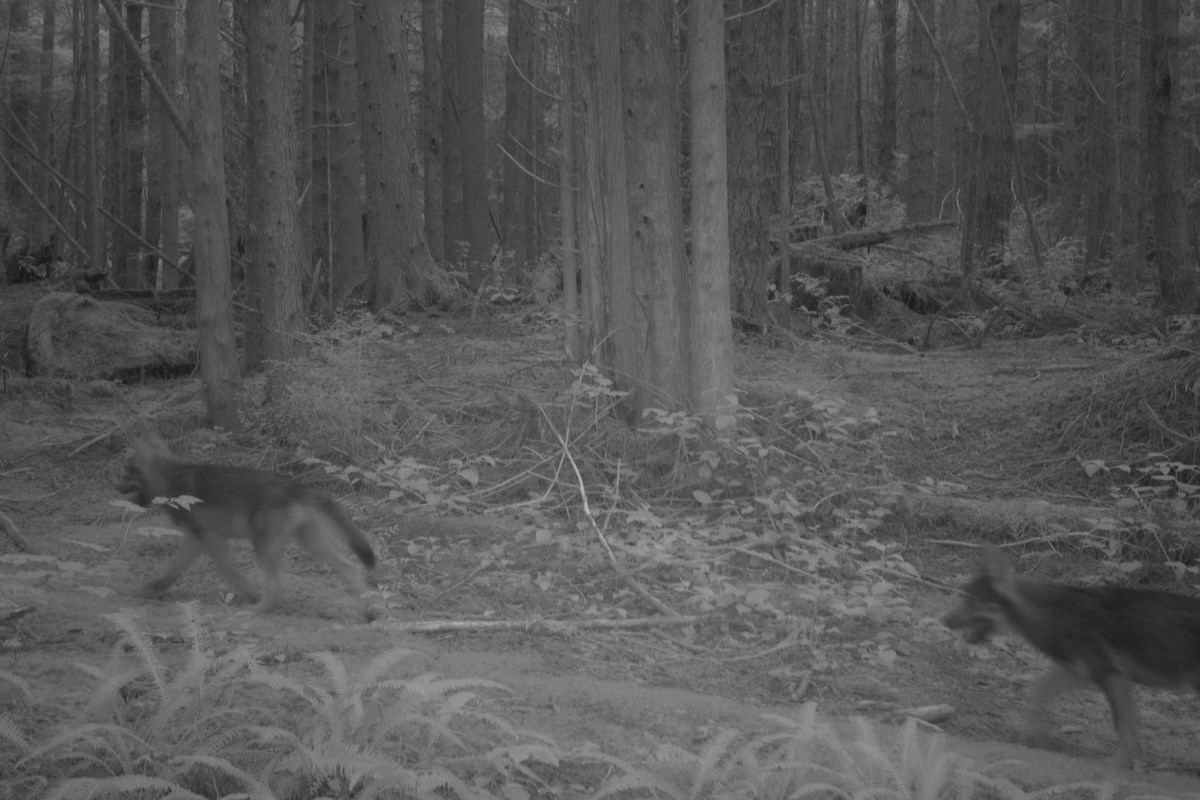
Parks Canada has issued a ban on dogs on Wickaninnish Beach, citing increasing wolf activity and the first litters of the wild canines in a decade.
Those young pups born in 2025 are learning from adult wolves, and Parks Canada said it’s important to reduce human and dog interaction during that impressionable period for the pups.
“Early intervention helps prevent wolves from becoming habituated to people or dogs, behaviours that can put wolves, pets and people at risk,” it said.
The no-dogs order started on Wednesday and continues until further notice.
Since 2024, the Long Beach Unit of the national park has seen a rise in interactions, with wolves showing bold behaviour around humans and approaching dogs at close range and pursuing them over long distances.
Parks Canada said wolves often see dogs as competitors or prey, which can lead to aggressive behaviour.
Dogs will be prohibited on Wickaninnish Beach from Beach Access E to Sandhill Creek.
The closure is part of a larger wolf warning in effect across the entire Long Beach area. Closures were already in effect in the Wickaninnish Dunes and along the former Gold Mine Trail.
Non-compliance with closures, dog bans or leash laws can result in charges under the Canada National Parks Act, with penalties up to $25,000.
Parks Canada said wolves have long lived in the national park, and First Nations have coexisted with them for thousands of years.
What is new is the confirmed presence of young wolves last year, the first known litter in the area since 2016, said the park service.
Parks Canada said wolves play an essential ecological role as apex predators, and protecting the family with young wolves helps maintain a healthy and balanced ecosystem.
[email protected]
© 2026 Times Colonist
