
Content
Public Response to Taxidermy Mounts – Australian Museum
Nov
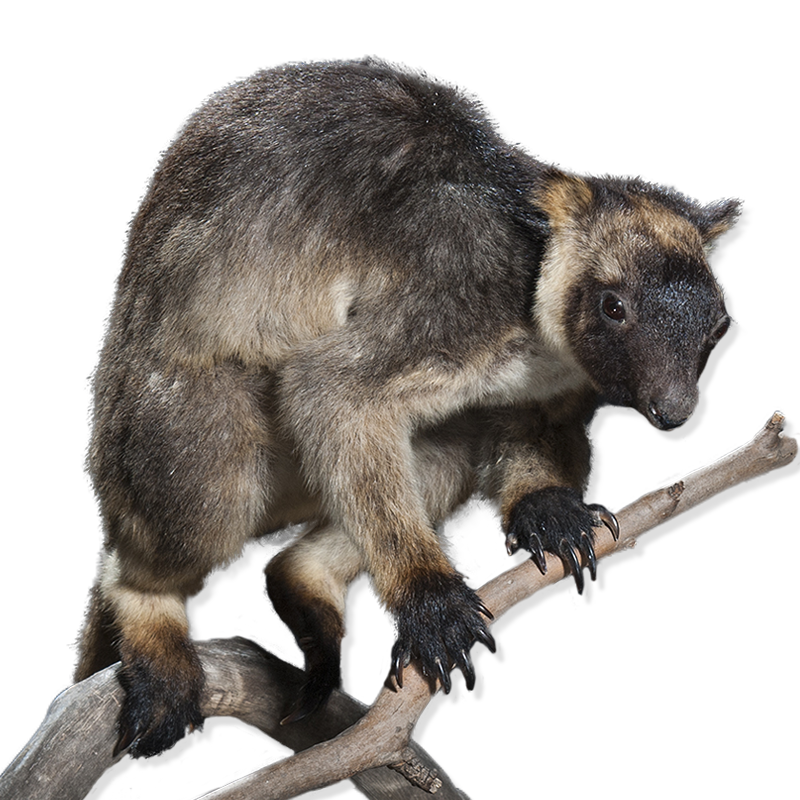
Becky Hitchens, a student at Durham University, Museum and Artefact Studies program asks if we have any information about the public's reaction to taxidermy mounts.
Becky adds:
I have been doing a lot of visitor research in museums in the UK and wondered if the situation and responses were similar in Australia. I could not find any information on your web-site as to whether or not you held a collection of taxidermic animals and if so whether you used them. I wondered if you had received any visitor comments, positive or negative, about the use of taxidermy specimens in the displays? Also, did you do any visitor research prior to redisplaying the gallery or any evaluation of displays since? My research has generated that there has been a shift away from viewing taxidermy as obsolete relics of colonialism, towards a more positive reaction to taxidermy and that few visitors are disapproving of their use. It would be interesting to see if your experiences correlate with this. I would appreciate any information you could give me.
Becky this is a very interesting question. Natural history museums are traditionally associated with taxidermy mounts. Some of my happiest and longest lasting memories of museums (especially the Field Museum, Chicago and the Natural History Museum, New York) are the beautiful displays of a variety of stuffed animals in stunning poses. Apart from their value in learning, the aesthetic value should not be forgotten.
Information I have gathered about specimens comes from the Uncovered: Treasures of the Australian Museum exhibition we had in 2004. The exhibition focussed on why, how and what the Museum collected, through detailing the stories, images and voices behind some of the most important discoveries of the last 175 years.
A comprehensive summative evaluation was undertaken of the exhibition that consisted of two visitor surveys; one tracking study; an analysis of 20 visitor conversations; visitor counts and focus groups. The data that revealed how visitors engaged with taxidermy specimens came from the visitor survey and conversations.
When asked what they liked the most in the exhibition, some visitors surveyed commented specifically on the taxidermy displays (particularly the birds):
"Gruesome fascination of stuffed animals and pickled snakes"
"The stuffed birds, they were over 100 years, fascinating that they are preserved so well"
"Stuffed birds, I'm an amateur bird watcher"
"Birds. They way they were presented you could actually see their feet"
"The large lobsters. The size is tremendous"
"Birds. I consider it's important to have taxidermy displays on show"
Another interesting finding emerged from the conversation data. Minda Borun's research with family visitors to museums has shown that exhibits that enhanced conversations were multi-sided; multi-user; accessible to all in the group; encouraged multiple outcomes; used a variety of modes for communication; were readable and relevant to visitors' lives. In our study, these exhibits were characterised by familiar and unfamiliar specimens; specimens that were obviously dead; text that asked a provocative question; where visitors could make connections to their lives; specimens that were considered a bit weird; and specimens that were tiny, prompting visitors to ask how did they discover these.
Specific exhibits in Uncovered that both enhanced visitor conversations and were taxidermy-related were:
Finally Becky, in 2005 the Natural History Museum in Washington and did a study of visitor responses to their new mammals exhibition. I did a review of this exhibition on ExhibitFiles and the actual evaluation report is here on the Smithsonian website.
Discover our featured news stories, podcasts and more!
Learn from our experts and be the first to know about special offers.
What to do with such a large fish? The commencement of a 12 month project to preserve, mount and scan a Shortfin Mako.
The first new archaeological site excavated on Norfolk Island in almost 30 years expands our knowledge of local Polynesian settlement. Evidence from a recently excavated stone-working site has now been published in the journal Archaeology in Oceania.
When entering the recently refurbished Australian Museum in 1910, even the seasoned visitor might have stopped in their tracks.
Follow this digital story to learn about the taxidermy process used to prepare a Brushtail Possum for display.
In 1864 the Museum employed its first professional female staff member – Jane Tost, taxidermist and business woman extraordinaire.
Gould also relied very heavily on his personal secretary Edwin Prince, who was responsible for managing the day-to-day affairs of Gould’s business.
Put the parts of this lion back together.
Over 1000 images created by the professional photographer and film maker Frank Hurley in Papua New Guinea from 1921 to 1923.
The Australian Museum Collection Care and Conservation team is undertaking a major conservation effort to restore a magnificent 150-year-old Manta Ray specimen, bringing this breathtaking ocean giant back to its former glory.
The Australian Museum acknowledges that we operate on the lands, waters and skies of many First Nations Peoples. As Australia’s first museum, we share the responsibility of advocating for Country and honouring First Nations Peoples and knowledges. This website may contain names, images and voices of deceased Aboriginal and Torres Strait Islander peoples.
Receive the latest news on events, exhibitions, science research and special offers.
Trending Questions:
AI Search delivers AI generated responses as well as keyword search results. Ask your question in whichever way you like.
The Australian Museum respects and acknowledges the Gadigal people as the First Peoples and Traditional Custodians of the land and waterways on which the Museum stands.
Image credit: gadigal yilimung (shield) made by Uncle Charles Chicka
Madden
