
Content
Ethical Taxidermy? – Psychology Today
Nov
After years or decades, problems and patterns can become deeply entrenched. Be a fly on the wall during a sample couples therapy session and witness the slow, deliberate work of changing those patterns for a more enduring love.
Self Tests are all about you. Are you outgoing or introverted? Are you a narcissist? Does perfectionism hold you back? Find out the answers to these questions and more with Psychology Today.
Posted October 31, 2014
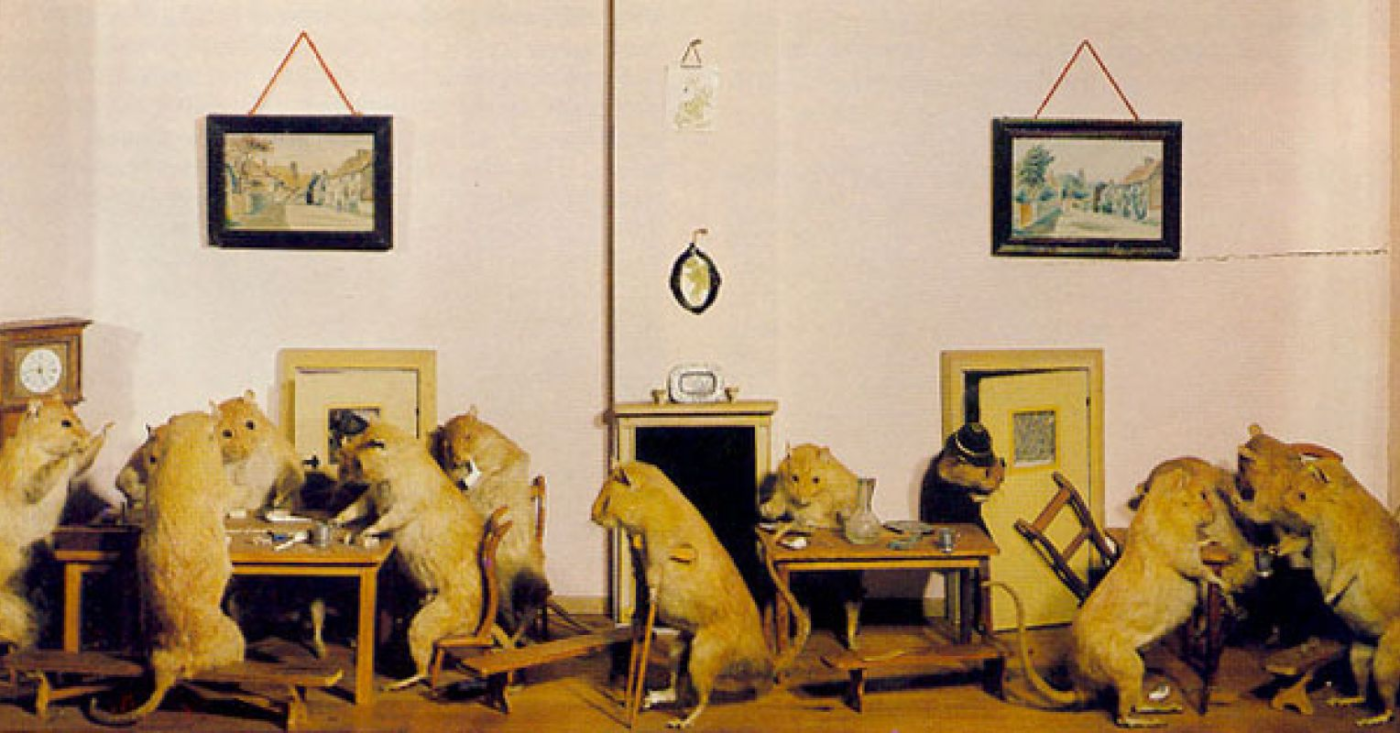
An article in yesterday’s Home section of the New York Times announces a “kinder, gentler taxidermy.” We are introduced to a New York stay-at-home mom whose crafty passion is taxidermy. After years of buying animals stuffed by others, she decided she should just do it herself at home. And why not?
I found this a curious pastime, and I was interested to know what was kinder and gentler about it than regular old stuffing of animals, so I read on. I was surprised to come across the phrase “ethical taxidermy,” which appears to be a point of growing interest and concern.
Taxidermy classes are becoming more and more popular—an upswelling in a kind of urban pastorale, similar in spirit to the classes that teach trendy people how to slaughter-and-butcher their way to home-cooked gourmet dinners. So I guess it is natural that devotees would begin to explore new, more modern approaches to this very old traditional art. And it is perhaps inevitable, too, that we would see a growing interest in “ethical taxidermy.”
So what is the purported difference between ethical taxidermy and regular old taxidermy? It boils down, at least according to our New York taxidermist, to where the animals come from. And doing your taxidermy work yourself is the best way to ensure that the animals have been “ethically sourced.” My mind was already moving ahead, trying to figure out what “ethically sourced” could mean in this context. Perhaps picking up the carcasses of animals who have been killed by automobiles and whose bodies will otherwise wind up in a landfill or rendering plant? Perhaps using animals who have been hunted under a certain code of honor?
But I was wrong. An “ethical taxidermist” from Cleveland told the New York Times that the animals she uses, which are mostly small critters such as rabbits, guinea pigs, mice, and squirrels, “were not killed for art’s sake.” They were purchased from a company called Rodent Pro and were “raised and painlessly euthanized to serve as food for reptiles and large cats.”
How exactly does this make it okay? The animals may have been raised as reptile food, but they were then bought and used for art’s sake.
I have never been to the Rodent Pro facility and cannot speak to the conditions at this particular animal wholesaler, but often the conditions in these facilities are quite poor. The animals have nothing even resembling a normal life. They are bred in cages, live their entire lives in cages, and never see the light of day—very much in line with industrial agricultural animal production and no different, ethically. If you object to one, you should probably also object to the other. In my view, the deer or moose killed by a hunter has been more “ethically sourced” than these small creatures. (But they are cheap and easy to get: I could buy a bag of 10 frozen guinea pigs for only $17.50, far less than the $25 my local pet store charges for a live pet guinea pig. And hunting a guinea pig in the wild…. Well, I’m not sure how you would accomplish this in upstate New York.)
Share this post


There was a problem adding your email address. Please try again.
By submitting your information you agree to the Psychology Today Terms & Conditions and Privacy Policy
Jessica Pierce, Ph.D., is a bioethicist and writer. She is an Affiliate Faculty with the Center for Bioethics and Humanities, University of Colorado Anschutz Medical Center.
Get the help you need from a therapist near you–a FREE service from Psychology Today.
Psychology Today © 2026 Sussex Publishers, LLC
After years or decades, problems and patterns can become deeply entrenched. Be a fly on the wall during a sample couples therapy session and witness the slow, deliberate work of changing those patterns for a more enduring love.
Self Tests are all about you. Are you outgoing or introverted? Are you a narcissist? Does perfectionism hold you back? Find out the answers to these questions and more with Psychology Today.
