
Content
Chunky mama bear wins 2026 Nope award for quick retreat from bigger rival – Popular Science
Nov
Despite both species being bears, black bears (Ursus americanus) typically won’t go to areas that brown bears (Ursus arctos) frequent. For one, brown bears are bigger, at 600 to 900 pounds to the black bear’s average of 90 to 500 pounds.
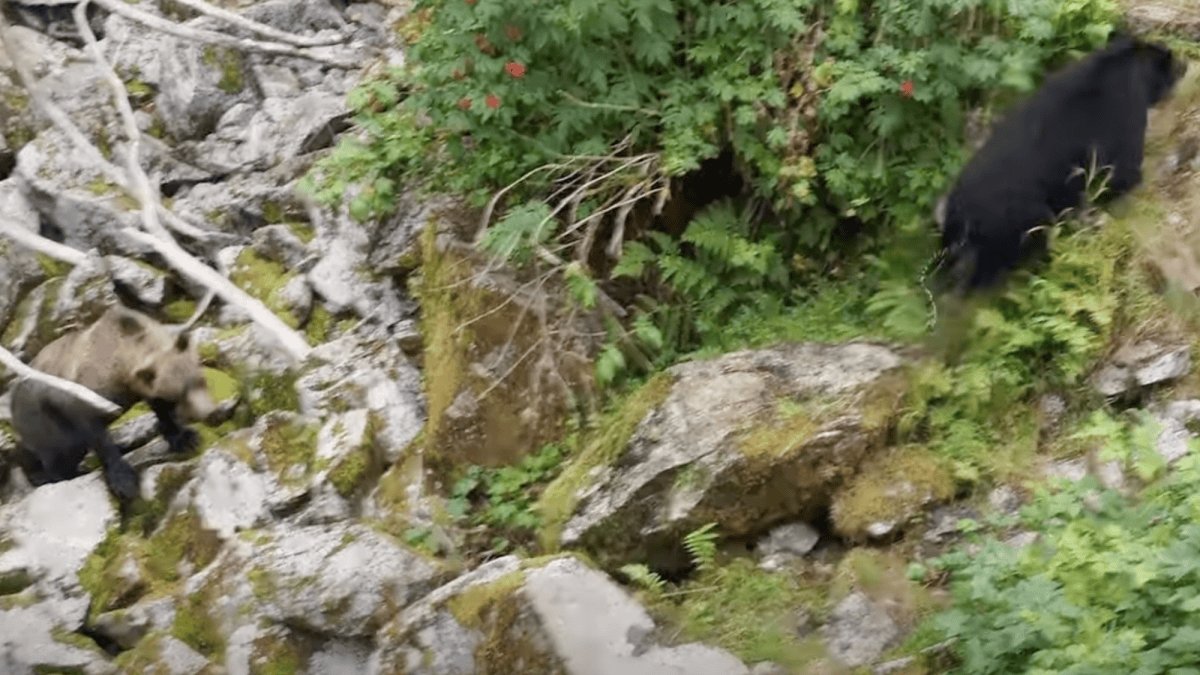
Despite her large stature (and award-winning butt), a mother bear in Tongass National Forest in southeastern Alaska named Volverine instantly turned around when she noticed a female brown bear named Bullseye standing right behind her. The U.S. Forest Service team at Tongass National Forest has awarded her the 2026 Nope Award for her quick turn away from Bullseye.
“It took a minute for Volverine to notice Bullseye the brown bear standing right behind her, but when she saw, she said, ‘Nope!’” the rangers write.
Bullseye is a five-year-old brown bear who is known for dark circles around her eyes, and dark brown fur mixed into her blonde coat. And if you are keeping score at home, this is Volverine’s second award this season. She also won the 2026 Big & Beautiful Award for her beautiful bulky body.
The rangers at Tongass National Forest are currently awarding the Anan Bear Awards to the 39 bears spotted at the Anan Wildlife Observatory in Alaska over the summer.
Tongass is the largest national forest in the United States, and covers most of southeastern Alaska, including the state’s capital city of Juneau. The area includes Mendanhall Glacier (a popular destination for tourists on Alaskan cruises), numerous hiking trails, eagles soaring above, and plenty of bears on the hunt for food. One of the hotspots is Anan Creek, home to one of the largest runs of pink salmon in Southeast Alaska. As such, the creek is a very popular dinner spot among black and brown bears.
According to Friends of Anan, 39 bears are known to feast on the salmon at Anan Creek. The population includes 31 black bears like Volverine and eight brown bears like Bullseye. Similar to their chunky counterparts farther to the north in Katmai National Park, the bears return each summer to feast on salmon and teach their cubs how to fish in order to survive. And also like the fat bears of Katmai, every bear here has their own habits and quirks.
The U.S. Forest Service tracks and documents every bear spotted at Anan, while explore.org’s cameras broadcast live streams of their antics.
2026 Popular Science Home of the Future Awards
39 products that will improve your everyday life.
Laura is Popular Science’s news editor, handling coverage of a wide variety of subjects. Laura is particularly fascinated by all things aquatic, paleontology, nanotechnology, and exploring how science influences daily life.
Get the Popular Science daily newsletter💡
Breakthroughs, discoveries, and DIY tips sent six days a week.
By signing up, you confirm you are 16+, will receive newsletters and promotional content and agree to our Terms of Use and acknowledge the data practices in our Privacy Policy. You may unsubscribe at any time.
Articles may contain affiliate links which enable us to share in the revenue of any purchases made. Registration on or use of this site constitutes acceptance of our Terms of Service.
© 2026 Ziff Davis. All rights reserved. Withdraw Consent / Manage Privacy Preferences
Do Not Sell My Personal Information
