
Content
Victory! Court says San Francisco fur ban will stay – Humane World for Animals
Oct
Our sanctuaries: Creating safe, nurturing environments where rescued animals receive care and a peaceful place to call home.
Kindness looks good on you! Shop for good: Snag cozy gear, fun gifts and animal-loving merch—all while supporting our lifesaving work.
A Humane World: A first-hand account of our ongoing efforts to protect animals, as told by our president and CEO, Kitty Block.
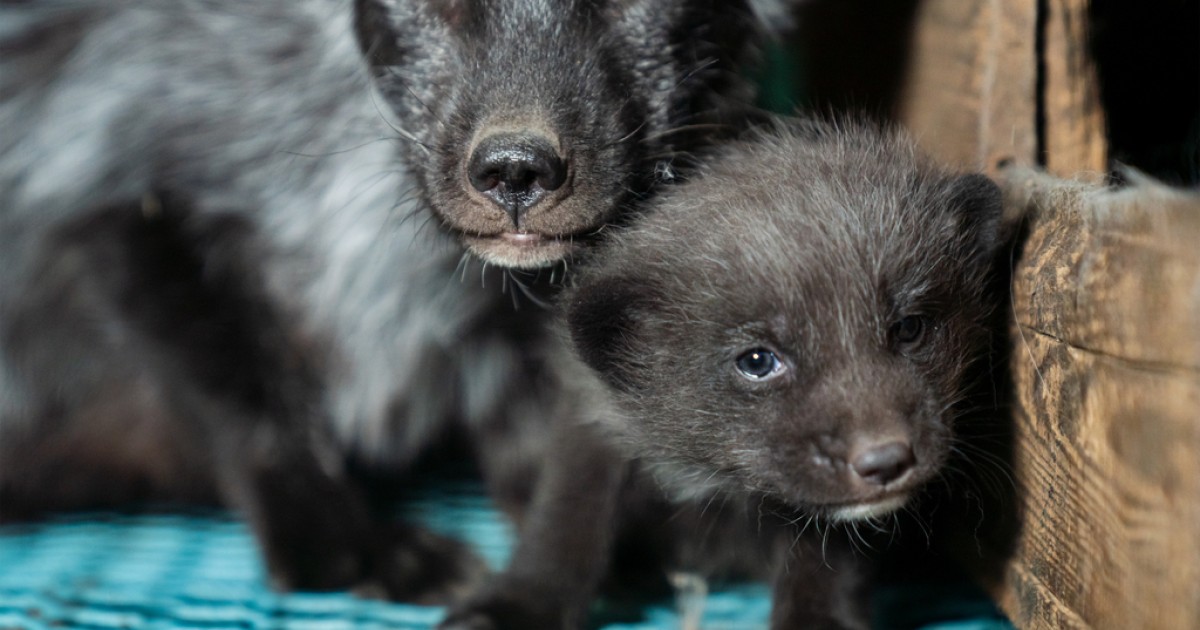
Photo by Kristo Muurimaa/Oikeutta Elaimille
A federal court judge last night threw out a challenge to San Francisco’s ban on the sale of fur, in a historic victory against this unnecessary and immensely cruel commodity.
The city’s ban, which passed in 2018, took effect earlier this year and it led the way for many wins against fur, including a similar, statewide ban in California. But soon after it took effect this January, the law was challenged by the fur industry, which claimed it was unconstitutional merely because San Francisco’s decision to ban fur sales in the city hurt its bottom line.
In April, the Humane Society of the United States intervened in the case to defend San Francisco’s law, represented by attorneys from our Animal Protection Law department and the law firm Riley Safer Holmes & Cancila. We immediately moved to dismiss the case, and in his ruling yesterday Judge Richard Seeborg of the Northern District of California, while granting our motion, said that the fur industry had failed to present a valid legal theory for why San Francisco’s law was unconstitutional.
The ruling yesterday affirmed that cities and states have the right to keep inhumane animal products out of their markets, if they choose to do so. This is a right the HSUS has worked to defend—and one the courts have consistently protected—in the past when faced with similar challenges from other industries that peddle the products of animal cruelty, including shark fins, foie gras, horse meat, commercially bred puppies, and pork, eggs and veal from cruelly confined animals. We can now add fur to that list.
Even more importantly, this victory establishes precedent that will help insulate California’s law—and fur sales bans in other cities and states around the country—against similarly meritless challenges in the future. The California law will go into effect in 2023.
It is now getting increasingly hard for those who are in the business of fur to justify the existence of an industry built on immense cruelty and the suffering of animals. In recent years, Humane Society International has, through two investigations, exposed the extreme horror of fur farms and the lives of the animals who live on them.
Our investigation of an Asian fur farm released earlier this month showed foxes crammed in tight wire cages where they can barely move, without any veterinary care and often without any access to clean water. At the end of their miserable lives, the animals are bludgeoned to death and skinned, sometimes while still alive.
Realizing that such cruelty is not something they want to associate with, many of the world’s top fashion houses, designers and retailers have worked with us to declare themselves fur-free.
The cruelty of fur has been magnified even further during the ongoing pandemic. As mink have tested positive for the coronavirus on fur farms in the Netherlands, Denmark and, most recently, Spain, these countries have responded by killing more than a million mink, most of them pups, usually by gassing them. The Netherlands government is now considering closing down all fur farms ahead of a 2024 deadline it had previously set for ending all fur production on its soil.
More than a dozen European countries now ban fur production, and in the United States at least two cities, Wellesley, Massachusetts; and Minneapolis, and two states, Rhode Island and Hawaii, have introduced legislation similar to the law banning fur sales in California. Lawmakers are mobilizing because they realize their constituents do not have the stomach for fur. In fact, the San Francisco ban had passed the city council unanimously. This latest court victory should send a clear message to fur producers that they are fighting a battle they have already lost.
P.S. Back in June, we launched a national campaign thanking KFC for its plant-based chicken tests in Georgia, North Carolina and China, and asking the company to expand the test into more cities. This week, the company announced it will launch its plant-based chicken in about 50 locations in Los Angeles, Orange County and San Diego next week. We are grateful KFC is listening to consumers. Please click here to thank the restaurant chain for making plant-based meals available to more Americans, and let them know you’re hopeful they’ll next launch this product at a KFC near you.
Kitty Block is the chief executive officer and president of Humane World for Animals, as well as the chief executive officer of Humane World Action Fund.
Meredith Lee/Humane World for Animals
“A Humane World” is the official blog of Humane World for Animals—a first-hand account of our ongoing efforts to protect animals, as told by our president and CEO, Kitty Block. Subscribe for daily or weekly updates.
Photo by Guenterguni/iStock.com
A federal court in New York has rejected a challenge by trade groups to the state’s landmark ban on elephant ivory and rhino horn sales. The ruling is not just a win for these beleaguered animals
Jo-Anne McArthur/We Animals
This week, people all over the world are celebrating a landmark decision by the government in British Columbia, Canada, to end mink farming in the province. The measures include a permanent ban on
Photo by Alex Gallardo/The HSUS
By Kitty Block and Sara Amundson A federal court has rejected an attempt to stop Congress from closing a loophole that allowed cockfighters to continue operating in U.S. territories, including Puerto
© 2026 Humane World for Animals is registered as a 501(c)(3) nonprofit organization. Contributions to Humane World for Animals are tax-deductible to the extent permitted by law. Humane World for Animals’ tax identification number is 53-0225390.
Humane World for Animals®, Humane Society of the United States®, Humane Society International®, HSUS®, and HSI are trademarks or registered trademarks of Humane World for Animals®.
