
Content
Preserving the past: The practice and ethics of Taxidermy – Explained PH
Oct
TOP STORIES
Science and Technology
News
Sports
Columns
Editorials
Editorials
Editorials
EXPLAINERS
EXPLAINERS
EXPLAINERS
EXPLAINERS
TOP STORIES
Science and Technology
News
Sports
Columns
Editorials
Editorials
Editorials
EXPLAINERS
EXPLAINERS
EXPLAINERS
EXPLAINERS Explained PHTOP STORIES, Features and Lifestyle
Ivan Howard B. Sumauang
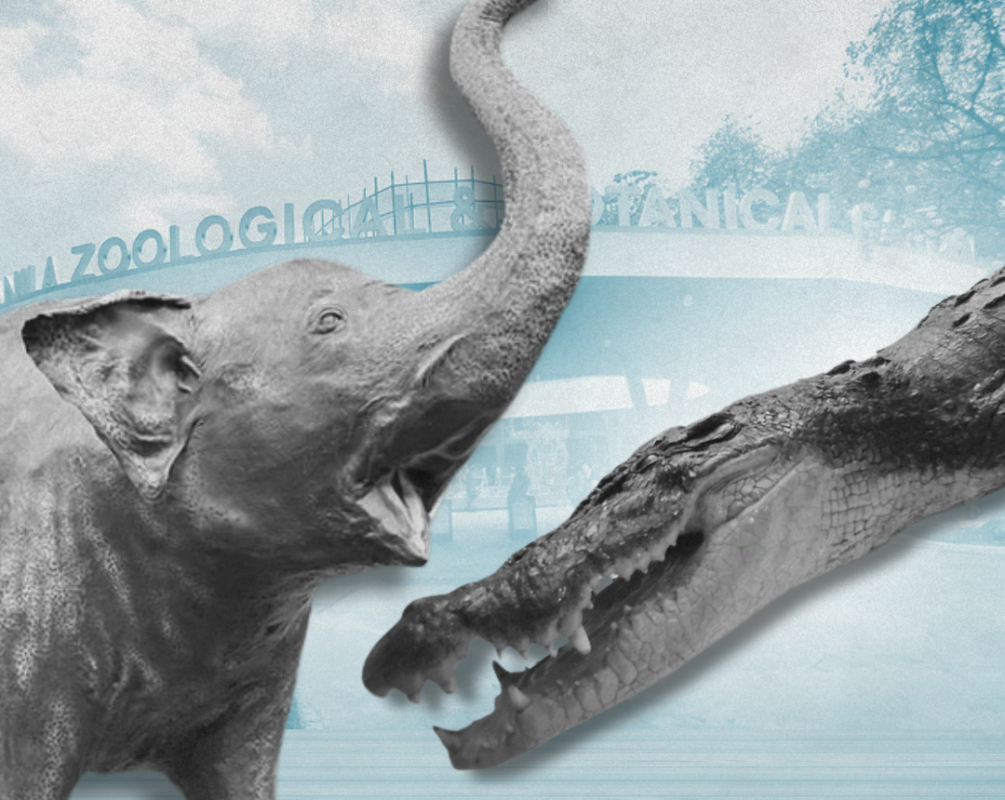
From the majestic Mali the elephant to the infamous Lolong the crocodile, the nation is at the center of a growing conversation about how we honor and preserve our animal companions — both wild and domestic. As more individuals seek to immortalize their beloved animals through taxidermy, one question remains: is this a tribute or a troubling trend?
Taxidermy has reignited conversations as Mali, the only captive elephant in the country and considered the saddest due to her decade-long isolation, returned to the Manila Zoo after her death in November 2023 due to congestive heart failure and cancer. A team of veterinarians led by Dr. Jason Sumaway undertook the process of preserving her remains, which took 11 months to complete.
As public sentiment grows, the ethical implications of showcasing Mali’s preserved body continue to spark debate among animal rights groups and the general public.
Ethics and Aesthetics
Taxidermy is an art process of preserving the corpse of a dead animal by skinning it, treating its hide with preservatives, and mounting it on a form. It aims to create lifelike representations for both educational and aesthetic purposes.
However, critics contend that this practice can be harmful because it often involves killing animals and may promote unethical wildlife management practices.
“Ethical taxidermy means that animals should not be killed specifically for taxidermy; they should be sourced from natural deaths or other ethical means,” said Amber Maykut, a taxidermist known for her commitment to ethical practices.
Despite some ethical practices, many argue that taxidermy trivializes the lives of animals.
“It’s a fine line between preservation and exploitation,” Dr. Emily Rivera, an animal ethics researcher,” noted.
Local Cases of Taxidermy
In addition to Mali, Lolong the crocodile serves as another significant example of taxidermy in the Philippines. Lolong was captured in 2011 and became known as the world’s largest saltwater crocodile in captivity before his death in February 2013 due to pneumonia and cardiac arrest. After his death, plans were made for his taxidermy at the National Museum of Natural History in Manila, where he is now displayed as a prominent exhibit.
Moreover, many pet owners turn to taxidermists to preserve their beloved pets after passing away. PetEternity, owned by Dr. Sumaway, caters specifically to pet lovers who wish to keep their furry companions close even after death.
“Ang hirap i-process na parang all of a sudden, nandoon na siya sa stage na ‘yun, critical na, hahabulin mo na ‘yung dog na sobrang masaya. Masigla kahapon, bigla nasa critical stage na that time,” Carla Cruz shared in an interview with GMA News.
However, this practice has sparked debate among netizens who question whether preserving pets in this manner is respectful or exploitative.
“Imagine being trapped in captivity for years to “entertain” people (to the point that you were dubbed the saddest elephant in the world), and even after death, you are still being exploited for profit,” a netizen commented on Reddit.
“Sa sobrang ganid ng mga tao, even after her death, hindi pa rin pinagpapahinga si Mali. Pinagkakaperahan pa rin,” captioned in a Reddit post.
Regulating Taxidermy
The RA 9147, otherwise known as the Wildlife Resources Conservation and Protection Act, prohibits killing endangered species without proper permits and mandates that all taxidermists adhere to strict guidelines regarding animal sourcing.
The law states that individuals who engage in the process of taxidermy must ensure that their specimens are obtained legally and ethically.
While taxidermy can serve educational purposes and provide insights into wildlife conservation, it raises significant ethical dilemmas regarding animal rights and respect for life.
The cases of Mali and Lolong are examples within the context of Philippine society’s evolving attitudes toward wildlife preservation and education. Furthermore, as more pet owners seek taxidermy services for their deceased companions, it becomes increasingly important to navigate these emotional landscapes with care and respect.
More than preserving and educating, it is also necessary to balance educational benefits with ethical considerations surrounding the treatment of deceased animals.
0 Votes: 0 Upvotes, 0 Downvotes (0 Points)
You must be logged in to post a comment.
TOP STORIES
Features and Lifestyle
Features and Lifestyle
News
News
I consent to receive newsletter via email. For further information, please review our Privacy Policy
Copyright © 2026 Explained PH Organization Inc. All rights reserved.
News
Sports
News
Fact check
Signing-in 3 seconds…
Signing-up 3 seconds…
Not a member? Sign Up.
Have an account? Sign In.
