
Content
Undercover investigation exposes where hunting trophies end up – Humane World for Animals
Oct
Our sanctuaries: Creating safe, nurturing environments where rescued animals receive care and a peaceful place to call home.
Kindness looks good on you! Shop for good: Snag cozy gear, fun gifts and animal-loving merch—all while supporting our lifesaving work.
A Humane World: A first-hand account of our ongoing efforts to protect animals, as told by our president and CEO, Kitty Block.
The HSUS
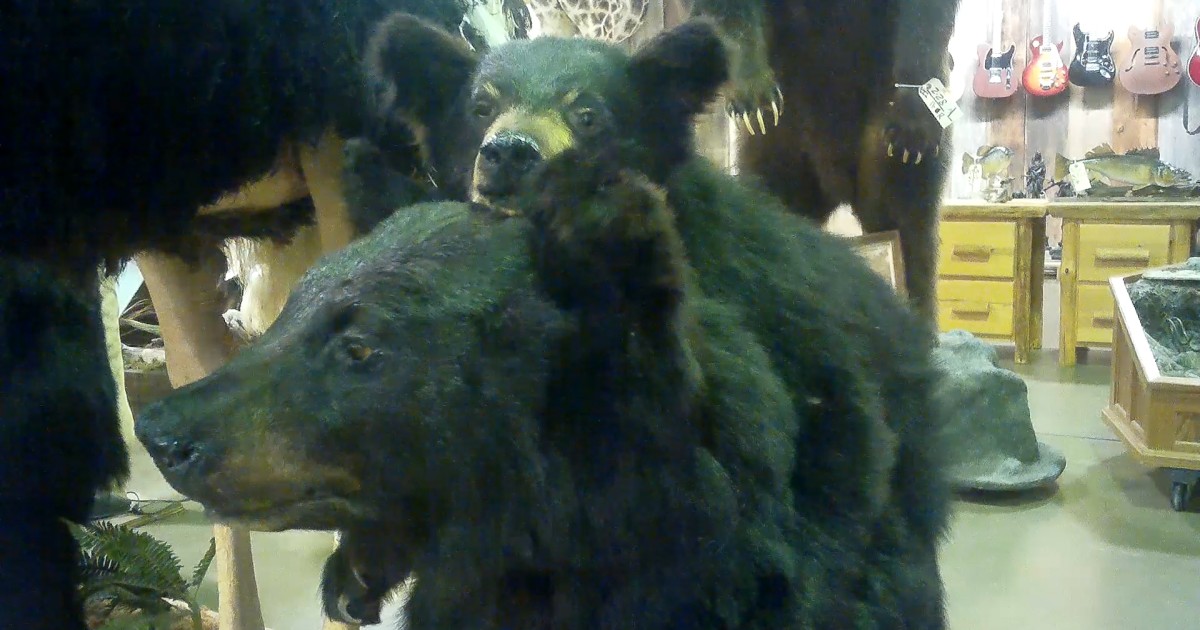
American trophy hunters target hundreds of thousands of animals in the U.S. and abroad every year just to display the gruesome keepsakes of their kills. Now, a new undercover investigation by the Humane Society of the United States and Humane Society International reveals where so many of these macabre souvenirs, discarded by their owners, end up: an auction where animal trophies and taxidermy from hunts that claim precious animal lives are sold to the highest bidder. Trophies made of African elephants, giraffes, hippos, polar bears, grizzly bears, mountain lions and even black bear cubs, along with zebras and a baboon holding a beer bottle, were recently offered in a massive display of death at a fairground in Maquoketa, Iowa.
The auction included “home décor” items such as giraffe leg tables, zebra heads for tabletop display and elephant foot wastebaskets. Our investigators found that this auction sold off taxidermy and trophies from a total of 557 mammals, and many more birds, reptiles and other species.
The sale of trophies and taxidermy like those sold at this auction perpetuates the destructive idea that it is normal and reasonable to kill iconic wild animals, disrupting ecosystems and ravaging animal families, for bragging rights. Auctions like these can increase demand for these species, parts, products and trophy hunts for them, perpetuating this vicious cycle of cruelty and destruction. Illegal hunting and illicit trade in products made from these species result in a grave threat to their continued survival, pushing wild animals further toward the brink of extinction.
The HSUS
According to auction staff, trophy hunters tire of their trophies, downsize or put their house on the market and are advised by their real estate agents to “get rid of the dead critters” to help sell their homes. Staff said buyers at the auction are usually taxidermy collectors or resellers that purchase animal parts and make them into more profitable trophy mounts and products.
Many of the species offered for sale at this auction are threatened with extinction: the IUCN lists African elephants as endangered, and they have suffered a 60% population decline over the past 50 years. Wild giraffe populations have plummeted by about 40% over the past three decades. Alaskan brown bears, trophies of which were also offered for sale at this auction, are being hunted at unsustainable rates, causing alarm among researchers.
Online bidders also participated in the auction; shipping was offered for many items. This raises concerns about potential violations of the law, as some states prohibit the trade in parts and products of many of the animals auctioned. The U.S. remains the largest importer of trophies in the world; a recent HSI report shows that the U.S. imported 75% of mammal trophies of internationally protected species between 2014 and 2018. With this overwhelming role in the trophy hunting industry, the U.S. is uniquely positioned to effect change for these species.
The HSUS
In reaction to the suite of threats facing these animals, including from trophy hunting, the HSUS, HSI and partner organizations submitted petitions to the U.S. Fish and Wildlife Service to list African elephants and giraffes as “endangered” under the Endangered Species Act. Just last month, our organizations sued the Service over its failure to take action on our giraffe petition—action that could lead to sorely needed protections to prevent the widespread trade in giraffe trophies and grotesque products like those documented in our investigation. Giraffes currently have no federal protections.
Further, the ProTECT Act (soon to be reintroduced in Congress), if passed, would effectively prohibit trophies of any species listed as threatened or endangered under the Endangered Species Act from being imported into the U.S., thereby slamming the door shut to trophies of many iconic species most often targeted by hunters. And as many of these species are threatened with extinction due to the myriad other threats they face including poaching and habitat loss, ending the import of trophies cannot come soon enough—we can take action today to ensure a tomorrow for these magnificent animals.
Be a voice for vulnerable animals: Tell the U.S. Fish and Wildlife Service to prohibit the hunting in the U.S. and the trophy import of species listed as threatened and endangered under the Endangered Species Act.
Sara Amundson is president of the Humane Society Legislative Fund.
P.S. We want to hear from you! Let us know what types of stories you like to read in A Humane World and what we could do to make the blog even better by taking this short survey.
Kitty Block is the chief executive officer and president of Humane World for Animals, as well as the chief executive officer of Humane World Action Fund.
Meredith Lee/Humane World for Animals
“A Humane World” is the official blog of Humane World for Animals—a first-hand account of our ongoing efforts to protect animals, as told by our president and CEO, Kitty Block. Subscribe for daily or weekly updates.
Photo by the HSUS
A dead puppy in the freezer. Puppies with hacking coughs and runny noses. Sick puppies confined to isolation. Overcrowded cages. These are just a few of the shocking details our undercover
N/A
Our new undercover investigation reveals the widespread sale of ivory across Pennsylvania.
The HSUS
Since our undercover footage is now in the hands of New York City authorities, we can reveal what our investigations team discovered over the course of six weeks at a pet store called American Kennels
© 2026 Humane World for Animals is registered as a 501(c)(3) nonprofit organization. Contributions to Humane World for Animals are tax-deductible to the extent permitted by law. Humane World for Animals’ tax identification number is 53-0225390.
Humane World for Animals®, Humane Society of the United States®, Humane Society International®, HSUS®, and HSI are trademarks or registered trademarks of Humane World for Animals®.
