
Content
Michigan's black bear population is booming – Bridge Michigan
Aug
Bridge Michigan
Michigan’s nonpartisan, nonprofit news source
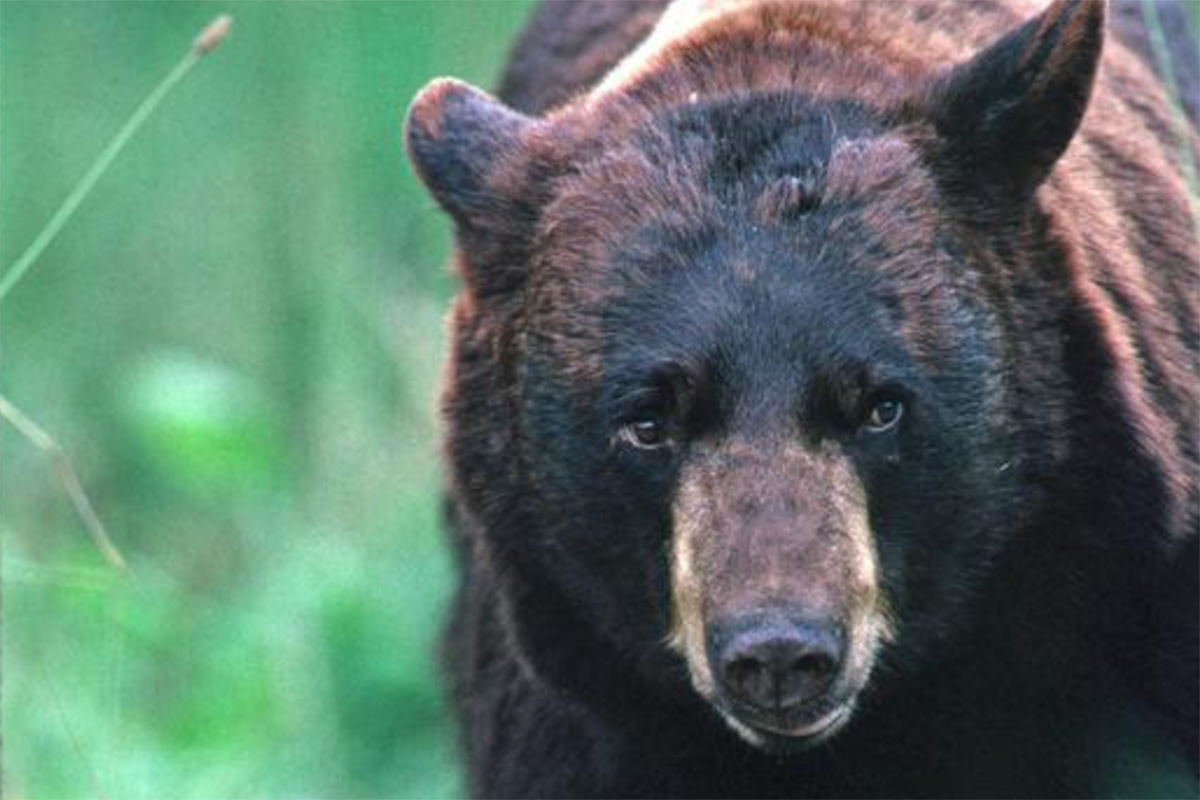
The chances of finding a black bear picking at a bird feeder or rummaging through trash is increasing in Michigan, especially in the northern Lower Peninsula and the Upper Peninsula.
Michigan’s black bear population grew 25% between 2012 and 2022, and as the population increases so do complaints of bear nuisance behavior.
As of 2022, Michigan was home to over 12,000 black bears, more than 10,000 of which can be found in the Upper Peninsula, according to the most recent data from the wildlife division of the state Department of Natural Resources.
In 2012, there were about 9,768 black bears in Michigan, with 8,475 of them in the Upper Peninsula and 1,293 of them in the Lower Peninsula, according to data from the DNR obtained through the Freedom of Information Act.
The black bear population in the U.P. grew 21% between 2012 and 2022. In 2022, the black bear population in the Upper Peninsula was 10,218.
Related:
The northern Lower Peninsula saw an even steeper increase in the black bear population. There were just over 2,000 black bears in that region in 2022, up 55% from 2012.
The primary election is behind us, but Bridge Michigan reporters are traveling across the state to cover the people, policies and communities impacted as the races head to November. Support that work with a donation today.
Not only has the black bear population grown but they are more widely spread across the northern Lower Peninsula. In 2011, black bears covered only 7,800 square miles. But by 2021, black bears covered over 13,000 square miles in the northern Lower Peninsula, spreading into more populated areas. The most dense populations are in the northeast part of the Lower Peninsula near Montmorency and Alpena counties.
For the last decade, the DNR has received hundreds of black bear nuisance complaints a year, a number they say has quadrupled since 2012.
“Every year a number of bears show up in cities and towns either in the U.P. or Northern Peninsula,” said Richard Smith, a wildlife photographer. “The number of nuisance complaints of bears causing conflicts with humans has been on the increase, especially in the northern Lower Peninsula.”
Smith, 74, lives in Marquette and has been a hunter for nearly 60 years harvesting anything from small game to large deer and black bears.
Bears are omnivores and opportunists, eating anything they can get their paws on from plants and insects to fawns and rodents.
“Two years ago we had a bear or bears get into our beehives and cause some damage. They did not get into any crops,” said Ashley TenHarmsel, owner of North Harvest CSA farm in Calumet Township in the Upper Peninsula.
TenHarmsel grows fruits, vegetables, a variety of flowers and raises bees.
She installed fencing around the bees last year and hasn’t had any bear attacks since but still notices bear droppings from time to time.
Best practices to avoid unwanted visits from bears include keeping outdoor garbage in a secured container, keeping outdoor grills clean and free from food or scraps, and removing bird feeders and other potential food sources, according to the DNR/
Bear hunting is only permitted in counties north of Ottawa, Kent, Montcalm, Gratiot, Saginaw and Bay counties, according to the report. Though bears have expanded their range, they are still largely located in the northern Lower Peninsula.
“In the northern Lower Peninsula, leading up to 2012, we saw that slight reduction in the population, so we backed off on harvest and that population increased,” said Cody Norton, a bear, fur-bearer, and small-game specialist at the DNR. “It increased to a point where now our goal has changed and we’re trying to stabilize that population because we’ve seen nuisance issues with bears quadruple over that time.”
The DNR will continue to implement measures like increasing harvests in the Upper Peninsula so that population growth continues but at a slower rate. At the same time, it will work to stabilize the population in the northern Lower Peninsula, he said.
Bear hunting licenses are issued based on a lottery system. Hunters can apply for a license between May 1 and June 1. Applicants will be notified if they are selected for a license by June 26.
Bridge Michigan reporters travel across the state so you get more than headlines, official statements or secondhand accounts. Your support helps fund the trips that allow our journalists to ask better questions, hear directly from residents and bring you the full story about the issues affecting daily life.
Each reporting trip averages more than $600 for gas, food and lodging. Give today to help keep Bridge Michigan reporters on the road.
Thank you to our Michigan Environment Watch sponsors
Bridge Michigan Environment Watch is made possible by generous financial support from our sponsors. Sponsorship supports our independent journalism mission but does not constitute sponsor endorsement of individual articles or editorial content. Bridge Michigan journalism remains fact- and data-driven and independent at all times.
Please visit the About page for more information and to subscribe to Environment Watch. Interested in becoming a sponsor? Contact Emma Carr.
Republish our articles for free, online or in print, under our Republication Guidelines. Questions? Email republishing@bridgemi.com
This work is licensed under a Creative Commons Attribution-NoDerivatives 4.0 International License.
Republish our articles for free, online or in print, under our Republication Guidelines. Questions? Email republishing@bridgemi.com
by Janelle D. James, Bridge Michigan
February 29, 2024
Only donate if we’ve informed you about important Michigan issues
See what new members are saying about why they donated to Bridge Michigan:
If you want to ensure the future of nonpartisan, nonprofit Michigan journalism, please become a member today. You, too, will be asked why you donated and maybe we’ll feature your quote next time!
Bridge Michigan reporters traveled across the state to cover Michigan’s primary election—from polling places to campaign headquarters to the communities affected by the results.
That reporting is only possible because of readers like you. Help us keep journalists on the road covering the stories that shape Michigan.
Make your tax-deductible donation today.
Click “No, thanks” if you do not want to be counted in our site traffic.
