
Content
Nothing really happens on ‘The Last Alaskans,’ which is why it’s still the best reality show – Colorado Springs Gazette
Jul
Daily Weather Report
Powered By:
Archive Information
Carrier Portal
Search
Buy Our Photos
Discovery’s “The Last Alaskans” remains TV’s purest and most respectful example of what reality television might have been if the genre had a soul. In our comparably mild winter chill and shortened days here in the Lower 48, I often find myself thinking of the few Alaskans who, as part of a 1980 congressional act, got to keep their cabins within the 19.2 million acres of the Arctic National Wildlife Refuge in the state’s far northeastern corner.
In its fourth season (currently airing Sunday nights), “The Last Alaskans” continues its intimate, ongoing portrait of these hardy few, who are determined to persevere in the refuge as long as they (or their heirs) can maintain this intense yet peaceful lifestyle.
The residents are separated from one another by dozens and even hundreds of miles. They show up after the floodwaters and insects retreat each September, intending to live through the winter (part of it with zero sunlight) and work their trap lines, collecting furs to sell next spring. No electricity, no internet or phone. No media, besides a faintly heard nightly radio show that relays messages to those living remotely.
Each season has followed a set story arc, and it’s somehow surprising to see the episodes are as fresh and uninterrupted as when the cameras first came along: The residents arrive by boat or small airplane, open their cabins, wash away the summer mold and set about making repairs while the weather is still on their side. The primary goal during the hasty autumn is to hunt and fish as much as possible, hoping to kill enough moose or caribou to eat for the next five months (brains and all), and, in the case of Tyler and Ashley Selden, catch enough salmon to feed their sled dogs all winter.
If “The Last Alaskans” were required to meet a typical viewer’s (and network executive’s) standards for reality-TV action, it would fail miserably. The hunters often come back empty-handed. The families never argue. Winter comes, and they hunker down between monotonous excursions along the trap lines. Compared with all the other Alaska shows on Discovery and elsewhere, “The Last Alaskans” is short on camera-needy kooks, drunken brawls, gold-digging desperadoes and interpersonal conflict. It’s hard to tell one episode from the next.
Heimo Korth, who, with his wife, Edna, has lived in the refuge since the 1970s, acts as the consistent, narrative center of the show, explaining to the camera the circle of life as it pertains to nature and hunting, as he’s done probably 100 times. Tyler Selden, too, has held forth an equal number of times about the gratification of living in the refuge.
Slow motion is used to enhance the beauty and admit that there’s rarely enough going on out here to fill all 41 minutes in a one-hour reality show. The sounds, when nobody’s talking, are mostly wind and water.
It is deeply calming. The routines are arduous yet simple: Wake, work, eat, ponder, sleep. Television, which so often seeks to enhance the noise and anxiety that are part of our modern lives, is rarely this cozy. Maybe “The Last Alaskans” gives to me that ineffable sense of wintry soothing that others get from Hallmark holiday movies.
Some actual events have occurred since last season, qualifying as big news around here. Most notable is how the show handled the death in 2017 of 66-year-old Bob Harte, who moved to the refuge in the 1970s and lived proudly in a cabin that seemed always to have just been ransacked by bears. Bob talked constantly to “The Last Alaskan’s” cameras, as if he’d been waiting decades for them to show up and ask him about his life.
His loneliness was as palpable as his boasts of self-sufficiency; he spoke often of his daughter and ex-wife and the years they spent together in the cabin. The women wound up caring for Bob as his health declined. He lived out his final days with them in Fairbanks, pining to return to his land.
Contrast this with “The Last Alaskan’s” youngest resident, 20-year-old Charlie Jagow, who is also going it alone, tending to the trap lines established by his father. Last season, Charlie built his own cabin, cutting trees and assembling logs with a mathematician’s obsessive precision and patience. Charlie’s busy isolation has years to go before it might transform into Bob’s loneliness; the show doesn’t needle him about finding a mate.
Instead, it’s nothing but respect and, for many viewers, envy. To be that far from it all, to live with such quiet. Curl up and imagine: all that time and space to just think.
“The Last Alaskans” airs at 8 p.m. Sundays on Discovery.
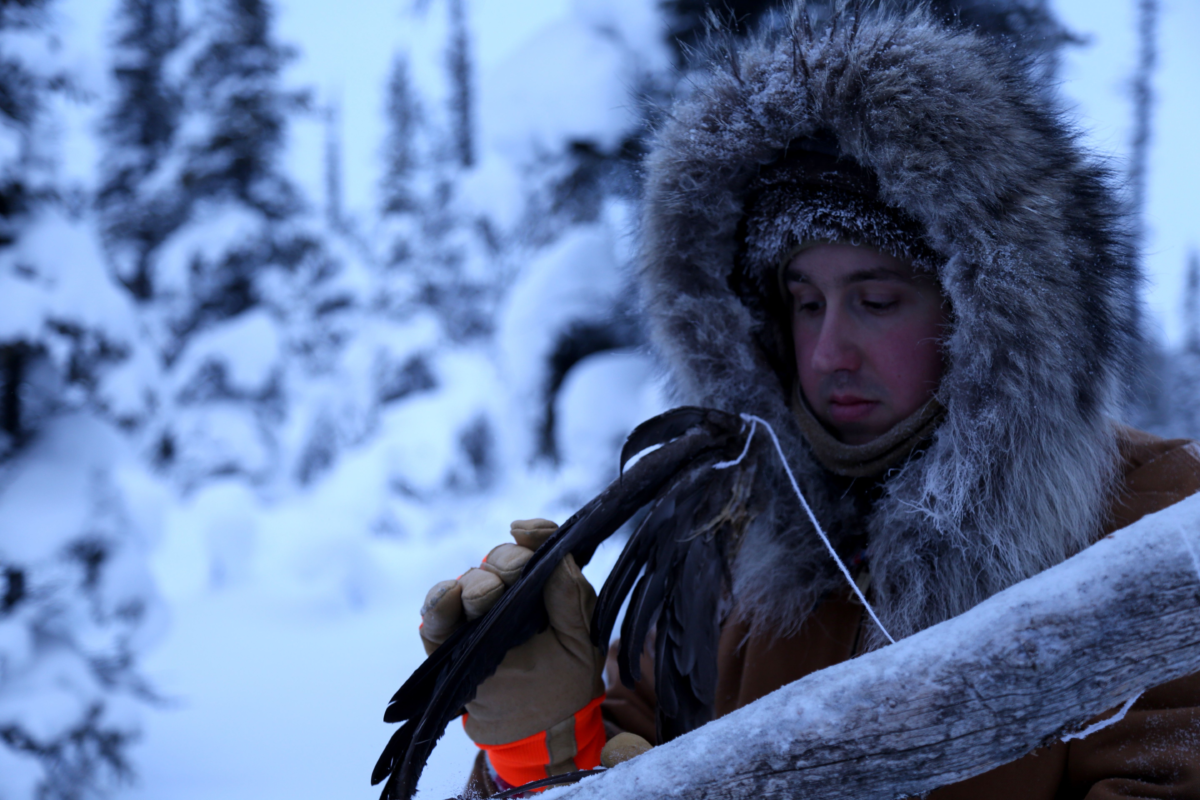
Scott Nelson sets a trap in “The Last Alaskans.”
Krin in “The Last Alaskans.” MUST CREDIT: Discovery Channel
Heimo Korth in “The Last Alaskans.”
Bob Harte of “The Last Alaskans,” who died in 2017. MUST CREDIT: Discovery Channel
Scott Nelson sets a trap in “The Last Alaskans.”
Krin in “The Last Alaskans.” MUST CREDIT: Discovery Channel
Heimo Korth in “The Last Alaskans.”
Bob Harte of “The Last Alaskans,” who died in 2017. MUST CREDIT: Discovery Channel
Reporter
Colorado Springs Gazette is proudly powered by WordPress
Welcome to the Denver Gazette
Subscribe to stay up to date with all things Colorado.
Streak: 9 days i
Stories you’ve missed since your last login:
Stories you’ve saved for later:
Recommended stories based on your interests:
The latest breaking news, delivered straight to your email!
Access all of our premium content, get unlimited digital access and more!
Get real time news updates
Gazette.com
Coloradosprings.com
Gazettepreps.com
Best of the Springs
OutThereColorado.com
© Copyright 2025 The Colorado Springs Gazette, L.L.C., 30 East Pikes Peak Ave., Suite 100 Colorado Springs, CO | Terms of Service | Privacy Policy | Your Privacy Choices | Subscription Terms of Service
