
Content
EU: Defeat for the Anti-Wolf Mafia – Wild beim Wild
Jul
Enter a search term above and press Enter to start the search. Press Esc to cancel.
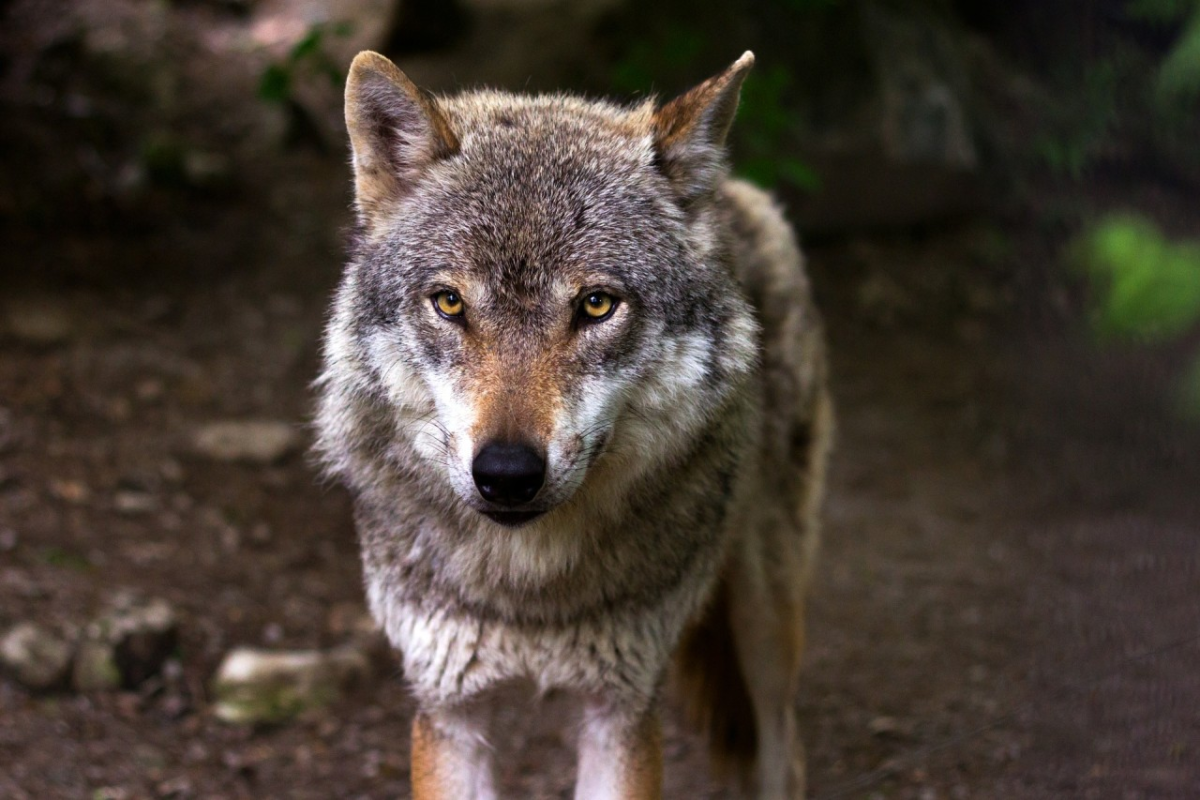
Despite rising attacks on sheep flocks and other livestock, the European Commission does not intend to release the rapidly growing wolf population for culling. A change to the special protected status of wolves is not planned, EU Environment Commissioner Karmenu Vella stated on 15 May 2018 at an event in the European Parliament in Brussels.
Despite rising attacks on sheep flocks and other livestock, the European Commission does not intend to release the rapidly growing population of wolves for culling. A change to the special protected status of wolves is not planned, EU Environment Commissioner Karmenu Vella stated on 15 May 2018 at an event in the European Parliament in Brussels.
«It is about preserving our natural heritage. We need coexistence between humans and wolves,» Vella stated. Livestock farmers from across Europe voiced their complaints in Brussels about mounting losses in their herds and called for greater powers to deal with predators — including culling. «Coexistence is not working,» said one sheep farmer. France, Spain, Italy, and Austria all reported an increase in livestock kills by wolves over the past months.
The wolf was eradicated from Central and Western Europe in the mid-19th century, while the animals survived in the east and south of the continent. Over the past 20 years, wolves have returned to the areas of Europe they once inhabited. In total, between 10’000 and 20’000 wolves are estimated to live in Europe, though exact figures are unavailable. Wolves are strictly protected under international law. The relevant regulations are found in international law in the Berne Convention and in EU law in the Habitats Directive.
According to the European Commission, this is fundamentally not set to change. Environment Commissioner Vella warned against a «black-and-white debate» and recommended that member states and livestock keepers adopt more efficient protective measures: electric fences, modern grazing management, training for farmers, and, when all else fails, financial compensation for the loss of livestock.
«Why does everyone expect the solution to be served up from Brussels?» said Vella.
Stefan Wenzel, former Environment Minister of Lower Saxony, has little time for culling. The German federal state has developed and implemented its own wolf management concept in recent years. The result: good herd management and effective herd protection make a difference. With electric fences, livestock guardian dogs, the avoidance of food conditioning that habituates wolves to human proximity, as well as subsidies and compensation payments for damages, Lower Saxony has achieved good results. Recreational hunting as population control fails with wolves too. More on animal rights.
With your donation, you help protect animals and give them a voice.
We are committed to an ethical understanding of wildlife and hunting modelled on THE CANTON OF GENEVA. Facts, not hunters’ tales.
A satirical guide for aspiring hobby hunters. This text reveals what lies behind nature romanticism, hunting ethics, and hunting myths — and why animal welfare advocates remain critical.
Let’s stay in touch!
We’d love to send you the latest news and updates in our newsletter. Monthly compact coverage on hunting and wildlife!
The IG Wild beim Wild is a non-profit animal rights organisation. Its primary focus is on protecting wild animals from recreational hunting.
People don’t become opponents of hunting out of boredom, but out of knowledge of this animal cruelty. For professional wildlife protection.
