
Content
Large Black Bear Spotted Roaming Around Goleta Neighborhood – edhat
Jul
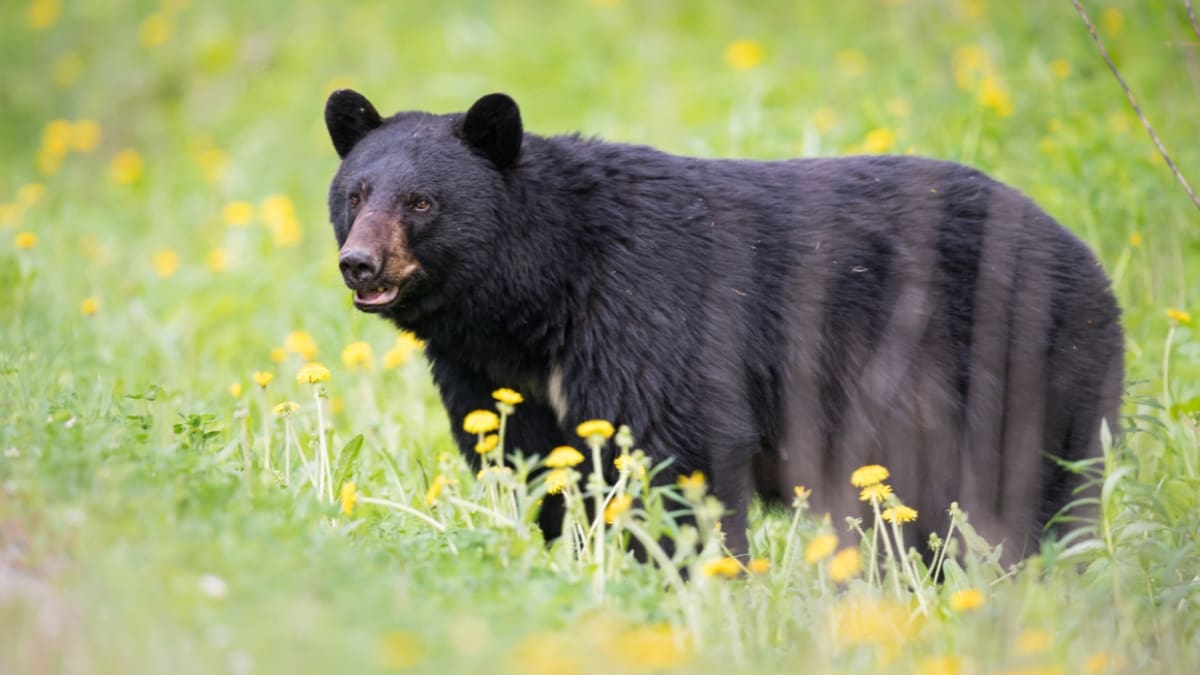
A large black bear was spotted roaming around a neighborhood in Goleta earlier this week. Residents saw the bear reportedly running around at Winchester Drive and Langlo Ranch Road in the afternoon on June 29.
The bear was also seen taking shelter in a tree.
A video shared on social media showed the bear wandering around the neighborhood.
The sheriff’s office and the California Department of Fish and Wildlife (CDFW) were alerted about the sighting.
A large and well fed black bear showed off its tan colored fur on a run through a neighborhood Monday at Winchester Dr. and Langlo Ranch Rd. in Goleta. It also took a rest in a tree. Fish and Wildlife and the Sheriff’s Dept. were notified. (Credit: Kirby Widger) pic.twitter.com/hNhXUE0L2B
— John Palminteri (@JohnPalminteri) July 1, 2026
Wildlife officials have yet to confirm whether the bear was captured and whether intervention was required.
Bear sightings in urban areas in Goleta are not uncommon, and the animals are often seen frequenting neighborhoods in the spring and summer.
Following frequent sightings of bears in several parts of the city, the City of Goleta issued an advisory last year assuring residents that the wildlife department had been monitoring the situation.
Last spring, black bears were also spotted at the University of California, Santa Barbara campus. Two bears were reportedly seen over three weeks in 2025, sparking concern from residents.
Young bears typically explore the surroundings to determine their independent territory during springtime, according to bear ecologist Rae Wynn-Grant, an affiliated researcher with UCSB’s Bren School of Environmental Science & Management.
Since young bears do not venture far alone in their early years, they often make mistakes when exploring by themselves and investigate interesting smells like those in the campus dining halls.
Often mistaken for brown bears, also known as grizzly bears, black bears’ fur can range from blonde to cinnamon to black, according to the CDFW.
Grizzly bears once roamed throughout California even before humans settled in the region, but were hunted to extinction, Wynn-Grant said.
The last documented sighting of the grizzly bear was in 1924, according to the CDFW.
While black bears benefit the ecosystem by dispersing seeds and serving as scavengers, since they are omnivores, these animals pose a threat to small livestock or pets.
Black bears naturally steer clear of humans, but may frequent urban or residential areas if they find food sources, according to the CDFW.
By submitting you agree to our Terms and Privacy Policy.
You must be logged in to post a comment.
I don’t know why people purposely leave food out in hopes of catching a glimpse, video, or photo of one of these magnificent creatures. There’s enough natural food out there for these bears to eat, so there’s NO excuse for “chumming” an area with human food. It’s basically a death sentence for any bear….as the old saying goes, “A fed bear is a dead bear.” I finally was able to talk sense into a very close friend of mine who was getting a kick out of putting Pop Tarts, donuts, marshmallow treats, chips, pasta, and such for the bears. “Garbage” food definitely draws in bears. C’mon….leave the bears alone!
KneesBees Another pea-brained post. Where in thr heck did you come up with chumming? Bears can get into any trash can and can eat fruit off of trees. What a nutso comment.
A very close imaginary friend.
By submitting you agree to our Terms and Privacy Policy.
Voted Santa Barbara’s Best Website for 10 years in a row, edhat is local news from your community.
Edhat PO Box 3846 Santa Barbara, CA 93130 805-694-8912
info@edhat.com
© 2026 by edhat
How to disable? Refresh
